
Zamyatin wrote the template Orwell later refined, and his narrator's numbered, glass-walled world makes surveillance feel like geometry. Reading it shows how the rational language of utopia can itself become the cage.

298 pages, 7% shorter than a typical 320-page novel
In the grim superstate of Oceania, Winston Smith works at the Ministry of Truth, quietly rewriting history to serve the ever-watchful Party. Under the constant gaze of Big Brother, even a private thought can be a fatal crime.
Yearning for a sliver of truth and human connection, Winston begins a secret journal and a forbidden love affair that could cost him everything. As he edges closer to rebellion, he must navigate a world where language is weaponized and reality itself is endlessly reshaped.
Haunting, taut, and fiercely intelligent, George Orwell’s dystopian masterpiece remains an unforgettable warning about power, surveillance, and the fragility of truth.

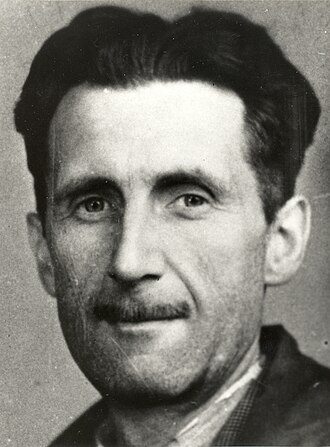
Zamyatin wrote the template Orwell later refined, and his narrator's numbered, glass-walled world makes surveillance feel like geometry. Reading it shows how the rational language of utopia can itself become the cage.
Greene turns a bureaucracy of rumor and ambiguous loyalty into a labyrinth where a man cannot trust his own memory. The state here is a fog of forms and whispers, which sharpens the Orwellian unease without a single speech about Big Brother.

Frankl documents how totalitarian systems attack the inner self, then describes the stubborn interior freedom that survives them. It answers Orwell's question about whether the mind can be fully conquered with an empirical, unsettling yes and no.

Bulgakov lets the devil walk through Moscow's censorship offices and literary bureaucracies, turning state absurdity into farce with real teeth. Its comedy carries the same terror Orwell pins down, but it lets the reader laugh before the floor drops out.
Rulfo builds a dead town where the voices of the departed keep speaking, and power is a rot that outlives its owner. The fractured, dreamlike structure makes history feel like a haunting, which suits any reader who felt Orwell's past leaking into the present.