Home / A Tale of Two Cities
A Tale of Two Cities cover

Reading Snapshot

~6.5hours
This book320 pages
Typical novel320 pages

Estimated from typical edition length

A Tale of Two Cities

Published
1859
Reading Time
~6.5 hrs

Synopsis

Moving between London and Paris in the years around the French Revolution, Charles Dickens’s classic novel follows a small circle of lives caught in history’s tide. Reunited with her father after his long imprisonment in the Bastille, Lucie Manette builds a quiet life in England that draws in both a principled French exile and a disillusioned lawyer.

As the fury of the French peasantry erupts into revolutionary terror, the violent reckoning against the aristocracy pulls them back to Paris. Caught between the cruelty of the old order and the brutality of the new, they face perilous tests of loyalty and courage.

Sharp in its social parallels and deeply felt, it remains an enduring story of upheaval, devotion, and sacrifice.

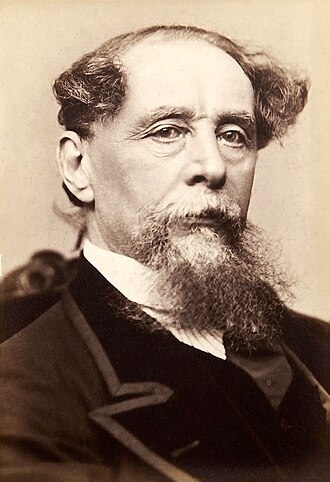
Charles Dickens

About Charles Dickens

1812–1870

Charles Dickens, was the most popular English novelist of the Victorian era, and one of the most popular of all time. He created some of literature's most iconic characters, with the theme of social reform running throughout his work. The continuing popularity of his novels and short stories is such that they have never gone out of print.

Similar Books You Might Enjoy

A Place of Greater SafetyHilary Mantel
A Place of Greater Safety
Hilary Mantel

Mantel follows Danton, Robespierre, and Camille Desmoulins through the Revolution as a tangle of friendships, rivalries, and private appetites, so the Terror reads as a family quarrel that turned lethal. Like Dickens, she makes the crowd feel like a character with its own pulse, and she lets the reader watch idealism rot one conversation at a time.

The Beautiful Mrs SeidenmanAndrzej Szczypiorski
The Beautiful Mrs Seidenman
Andrzej Szczypiorski

A Polish schoolteacher's ordinary defiance under German occupation becomes a slow, suspenseful reckoning with what courage costs a community. Szczypiorski turns the ordinary street into a theater of conscience, the same way Dickens turns a Parisian courtyard into a reckoning. The reader feels the moral weight accumulate in small, specific gestures.

Suite FrançaiseIrène Némirovsky
Suite Française
Irène Némirovsky

Némirovsky drafted this novel in 1942 while the events it describes were still unfolding, and it moves between refugees and occupiers with the panoramic eye of a Dickens who has no time left. Her sentences cut sharply between private grief and public collapse. The book was published decades after its author's death in Auschwitz, which gives its sweep an urgency no reader can shake.

Voices from ChernobylSvetlana Alexievich
Voices from Chernobyl
Svetlana Alexievich

Alexievich assembles monologues from liquidators, widows, and villagers after the 1986 Chernobyl catastrophe, creating a chorus that carries the same civic grief and individual sacrifice found in the novel's crowds. Nothing here is invented, yet the testimony builds the momentum of a novel. The reader hears ordinary people choosing loyalty and endurance inside a system that has failed them.

Embers cover
Embers
Sandor Marai, Carol Brown Janeway

Two old friends meet in a shuttered Hungarian mansion decades after a silent, catastrophic betrayal, and Márai lets a single evening carry the weight of an entire lost world. Like Dickens's long-deferred reckonings, the book's power lies in what has gone unsaid for years. Its restraint makes the final revelation land with the force of a verdict.