Home / Chapterhouse Dune Int
Chapterhouse Dune IntFrank Herbert

Reading Snapshot

~6.5hours
This book320 pages
Typical novel320 pages

Estimated from typical edition length

Chapterhouse Dune Int

Reading Time
~6.5 hrs

Synopsis

With the desert planet Arrakis destroyed and the Old Empire falling to the ruthless Honored Matres, only the Bene Gesserit stand against total conquest. On the hidden world of Chapterhouse, Mother Superior Darwi Odrade leads the Sisterhood in a desperate gamble: transforming their green sanctuary into a new desert, mile by scorched mile.

By breeding sandworms and reclaiming the spice melange, they hope to secure the galaxy's future. Yet their most vital weapon in this war for survival is a man who has lived countless lifetimes, carrying the deep memory of Dune's past.

As the final novel in Frank Herbert’s Dune Chronicles, this sweeping work of science fiction offers a gripping meditation on power, endurance, and human ambition.
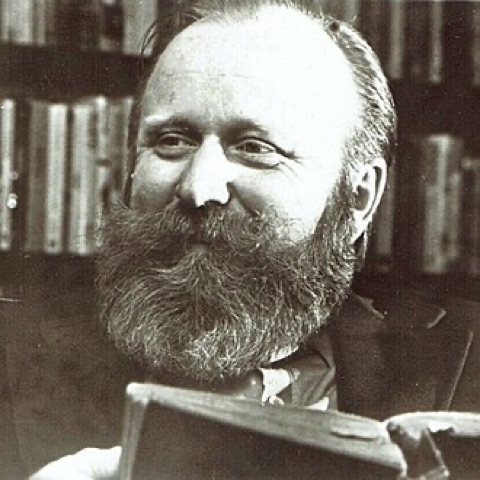
Frank Herbert

About Frank Herbert

1920–1986

Franklin Patrick Herbert Jr. (October 8, 1920 – February 11, 1986) was an American science-fiction author, best known for his 1965 novel Dune and its five sequels. He also wrote short stories and worked as a newspaper journalist, photographer, book reviewer, ecological consultant, and lecturer. Dune is the best-selling science fiction novel of all time, and the series is a classic of the science-fiction genre. The series has been adapted numerous times, including the feature film David Lynch's Dune (1984), the miniseries Frank Herbert's Dune (2000) and Children of Dune (2003), and a motion picture trilogy currently in production, with Denis Villeneuve's Dune (2021) and Dune: Part Two (2024) having been released.

Similar Books You Might Enjoy

Solaris cover
Solaris
Stanislaw Lem

Lem's ocean-planet mind refuses to be understood, and the human scientists keep failing to read its messages, much as the Bene Gesserit and Tleilaxu misread the deep future of Dune. The novel's real subject is the limit of human comprehension, delivered through translated prose that feels colder and stranger than any American space opera.

Parable of the Sower cover
Parable of the Sower
Octavia Butler

Lauren Olamina builds a religion of change, Earthseed, out of a world where water, land, and institutions are failing, which mirrors how Herbert's prophecy becomes a tool of control. Butler applies the same cold attention to ecology and political survival, but grounds it in a teenager's diary-like voice.

Last and First Men cover
Last and First Men
Olaf Stapledon

Stapledon narrates the rise and fall of eighteen successive human species across deep time, which gives the reader the same vertiginous sense of civilizations rising and dissolving that Chapterhouse pursues. It is a patient, almost scriptural book, and its scale makes Herbert's far future look intimate.

The Mushroom at the End of the WorldAnna Lowenhaupt Tsing
The Mushroom at the End of the World
Anna Lowenhaupt Tsing

Tsing follows the matsutake mushroom through global supply chains and damaged forests, showing how living systems and human economies entangle in ways no single ruler controls. For a reader who loved Dune's ecological politics, this nonfiction study finds the same ecology of power in the real world, without any prophecy.

The Left Hand of Darkness cover
The Left Hand of Darkness
Ursula K Le Guin

Le Guin's envoy Genly Ai travels across a frozen planet whose people have no fixed sex, and the novel slowly exposes the political machinery built on assumptions of gender and loyalty. Its quiet, travelogue-like structure and its interest in how rulers and cultures reshape human nature will feel like a close cousin to Herbert's Chapterhouse.