Home / Mrs Dalloway
Mrs Dalloway cover

Reading Snapshot

~6.5hours
This book320 pages
Typical novel320 pages

Estimated from typical edition length

Mrs Dalloway

Published
1925
Reading Time
~6.5 hrs

Synopsis

Over the course of a single June day in London, Clarissa Dalloway moves through the city preparing for an evening party. As she goes about her errands, memories surface, revealing both her delight in the world and the quiet sorrow of choices made and chances missed.

Walking the same streets is Septimus Warren Smith, a traumatized World War I veteran carrying wounds no one can see. Though their paths never cross, their stories mirror one another, illuminating the delicate divide between the outer life we show and the inner life we protect.

With luminous insight into how the mind moves, Virginia Woolf turns ordinary moments into an enduring meditation on memory, connection, and the fragile beauty of everyday life.

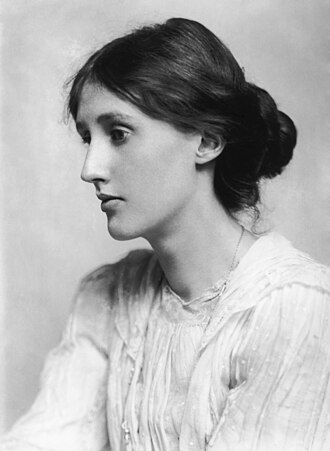
Virginia Woolf

About Virginia Woolf

1882–1941

Virginia Woolf was an English novelist, essayist, diarist, epistler, publisher, feminist, and writer of short stories, regarded as one of the foremost modernist literary figures of the twentieth century. Comment from Ursula Le Guin on The Guardian: > You can't write science fiction well if you haven't read it, though not all who try to write it know this. But nor can you write it well if you haven't read anything else. Genre is a rich dialect, in which you can say certain things in a particularly satisfying way, but if it gives up connection with the general literary language it becomes a jargon, meaningful only to an ingroup. Useful models may be found quite outside the genre. I learned a lot from reading the ever-subversive Virginia Woolf. > I was 17 when I read Orlando. It was half-revelation, half-confusion to me at that age, but one thing was clear: that she imagined a society vastly different from our own, an exotic world, and brought it dramatically alive. I'm thinking of the Elizabethan scenes, the winter when the Thames froze over. Reading, I was there, saw the bonfires blazing in the ice, felt the marvellous strangeness of that moment 500 years ago – the authentic thrill of being taken absolutely elsewhere. > How did she do it? By precise, specific descriptive details, not heaped up and not explained: a vivid, telling imagery, highly selected, encouraging the reader's imagination to fill out the picture and see it luminous, complete. > In Flush, Woolf gets inside a dog's mind, that is, a non-human brain, an alien mentality – very science-fictional if you look at it that way. Again what I learned was the power of accurate, vivid, highly selected detail. I imagine Woolf looking down at the dog asleep beside the ratty armchair she wrote in and thinking what are your dreams? and listening... sniffing the wind... after the rabbit, out on the hills, in the dog's timeless world. > Useful stuff, for those who like to see through eyes other than our own.

Similar Books You Might Enjoy

The Makioka Sisters cover
The Makioka Sisters
Junichiro Tanizaki

Tanizaki tracks four sisters in prewar Osaka through the slow erosion of a marriage search and an old merchant household, with the same attention to small gestures and class anxieties that makes Woolf's London feel charged. Its prolonged, gently ironic pacing turns trivial social negotiations, like a cherry-blossom outing or a stalled engagement, into a meditation on what a world loses as it changes.

Pedro PáramoJuan Rulfo
Pedro Páramo
Juan Rulfo

A son travels to a dead town to find his father, and the novel dissolves into a chorus of voices from beyond the grave, so that past and present blur the way Woolf's memories bleed into the present afternoon. The sparseness of Rulfo's prose makes each fragment hit with the force of a buried feeling.

The hour of the star cover
The hour of the star
Clarice Lispector; translated with an afterword by Giovanni Pontiero

Lispector's narrator agonizes openly over how to write about Macabéa, a poor typist in Rio, and the book becomes a dense study of consciousness reaching for another consciousness it cannot fully grasp. Like Woolf, it treats an unremarkable life as a site of enormous inner weather, while questioning the very act of rendering it.

Austerlitz cover
Austerlitz
W G Sebald, Anthea Bell

Sebald's narrator follows a man's search for his childhood past through train stations, libraries, and fortresses, letting buildings hold the memories that people cannot articulate. The long, looping sentences carry the same clock-ticking sense of time as Woolf's London, with history pressing into the present moment.

Days of AbandonmentElena Ferrante
Days of Abandonment
Elena Ferrante

When a Turin wife is abandoned by her husband, Ferrante follows her through a single ruined stretch of days, filtering household objects and passing streets through her spiraling perception. The raw, unfiltered access to a mind under pressure echoes Woolf's technique, though Ferrante trades Woolf's elegance for something sharper and more feverish.