
Reading Snapshot
178 pages, 44% shorter than a typical 320-page novel
Tales from the Perilous Realm
- Published
- 2002
- Pages
- 178
- Reading Time
- ~3.5 hrs
- Publisher
- HarperCollins
Synopsis
For the first time in A-format, the definitive collection of Tolkien's four acclaimed modern classic 'fairie' tales in the vein of The Hobbit. Farmer Giles of Ham is fat and unheroic, but -- having unwittingly managed to scare off a short-sighted giant -- is called upon to do battle when the dragon Chrysophylax comes to town; The Adventures of Tom Bombadil tells by way of verse of Tom's many adventures with hobbits, princesses, dwarves and trolls; Leaf by Niggle recounts the strange adventures of the painter Niggle who sets out to paint the perfect tree; Smith of Wootton Major journeys to the Land of Faery thanks to the magical ingredients of the Great Cake of the Feast of Good Children.
The four tales are written with the same skill, quality and hallmarks that made Tolkien's Hobbit a classic. Largely overlooked because of their short lengths, they are finally together in a volume which reaffirms Tolkien's place as a master storyteller for readers young and old.
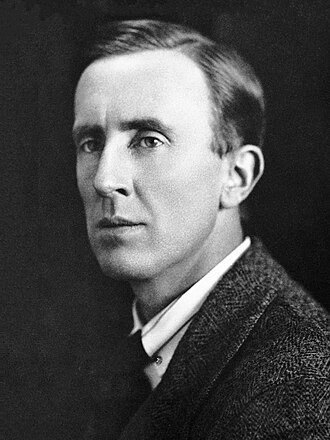
About J.R.R. Tolkien
John Ronald Reuel Tolkien (1892-1973) was a major scholar of the English language, specialising in Old and Middle English. Twice Professor of Anglo-Saxon (Old English) at the University of Oxford, he also wrote a number of stories, including most famously The Hobbit (1937) and The Lord of the Rings (1954-1955), which are set in a pre-historic era in an invented version of the world which he called by the Middle English name of Middle-earth. This was peopled by Men (and women), Elves, Dwarves, Trolls, Orcs (or Goblins) and of course Hobbits. He has regularly been condemned by the Eng. Lit. establishment, with honourable exceptions, but loved by literally millions of readers worldwide. In the 1960s he was taken up by many members of the nascent "counter-culture" largely because of his concern with environmental issues. In 1997 he came top of three British polls, organised respectively by Channel 4 / Waterstone's, the Folio Society, and SFX, the UK's leading science fiction media magazine, amongst discerning readers asked to vote for the greatest book of the 20th century.