
Reading Snapshot
224 pages, 30% shorter than a typical 320-page novel
The Aleph and Other Stories
- Published
- 2004
- Pages
- 224
- Reading Time
- ~4.5 hrs
- Publisher
- Penguin Classics
Synopsis
Full of philosophical puzzles and supernatural surprises, these stories contain some of Borges’s most fully realized human characters. With uncanny insight he takes us inside the minds of an unrepentant Nazi, an imprisoned Mayan priest, fanatical Christian theologians, a woman plotting vengeance on her father’s “killer,” and a man awaiting his assassin in a Buenos Aires guest house. This volume also contains the hauntingly brief vignettes about literary imagination and personal identity collected in The Maker, which Borges wrote as failing eyesight and public fame began to undermine his sense of self.
For more than seventy years, Penguin has been the leading publisher of classic literature in the English-speaking world. With more than 1,700 titles, Penguin Classics represents a global bookshelf of the best works throughout history and across genres and disciplines. Readers trust the series to provide authoritative texts enhanced by introductions and notes by distinguished scholars and contemporary authors, as well as up-to-date translations by award-winning translators.
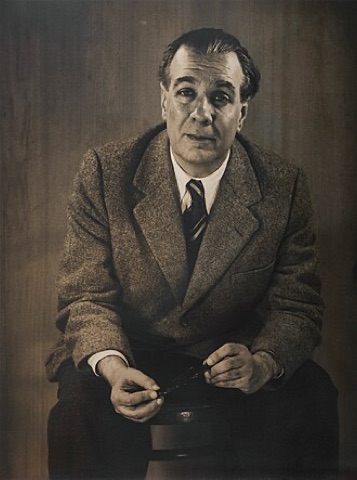
About Jorge Luis Borges
Jorge Francisco Isidoro Luis Borges (Buenos Aires, 24 de agosto de 1899 - Ginebra, 14 de junio de 1986), más conocido como Jorge Luis Borges, fue un destacado escritor de cuentos, poemas y ensayos argentino, extensamente considerado una figura clave tanto para la literatura en habla hispana como para la literatura universal. También fue bibliotecario, profesor, conferencista y traductor. Sus dos libros más conocidos, Ficciones y El Aleph, publicados en los años cuarenta, son recopilaciones de cuentos conectados por temas comunes de forma fantástica, como los sueños, los laberintos, las bibliotecas, los espejos, los autores ficticios y las mitologías europeas (como la griega y la nórdica), con argumentos que exploran ideas filosóficas relacionadas, por ejemplo, con la memoria, la eternidad, la posmodernidad y la metaficción. Las obras de Borges han contribuido ampliamente a la literatura filosófica, al género fantástico y al posestructuralismo. Según marcan numerosos críticos, el comienzo del realismo mágico en la literatura hispanoamericana del siglo XX se debe en gran parte a su obra.