

Man's Search for Meaning
Viktor E Frankl · 1946
Blending memoir and existential psychology, Frankl examines how humans endure extreme despair by choosing their attitude toward unavoidable suffering, arriving at a grounded, life-affirming resolve.
A Nobel Prize-winning author delivers one of the most influential works of the twentieth century, showing a way out of despair and reaffirming the value of existence. Influenced by works such as Don Juan and the novels of Kafka, these essays begin with a meditation on suicide—the question of living or not living in a universe devoid of order or meaning.
With lyric eloquence, Albert Camus brilliantly presents a crucial exposition of existentialist thought.
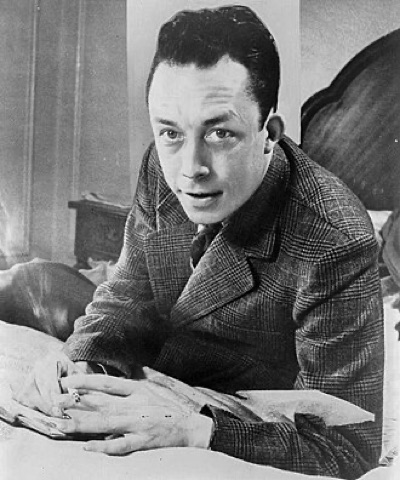
Albert Camus was a French Algerian author, philosopher, and journalist who was awarded the Nobel Prize for Literature in 1957. He was a key philosopher of the 20th-century and his most famous work is the novel L'Étranger (The Stranger). In 1949, Camus founded the Group for International Liaisons within the Revolutionary Union Movement, which was a group opposed to some tendencies of the surrealistic movement of André Breton. Camus was the second-youngest recipient of the Nobel Prize for Literature - after Rudyard Kipling - when he became the first African-born writer to receive the award. He is the shortest-lived of any literature laureate to date, having died in an automobile accident just over two years after receiving the award. He is often cited as a proponent of existentialism, the philosophy that he was associated with during his own lifetime, but Camus himself rejected this particular label. In an interview in 1945, Camus rejected any ideological associations: "No, I am not an existentialist. Sartre and I are always surprised to see our names linked…"
Blending memoir and existential psychology, Frankl examines how humans endure extreme despair by choosing their attitude toward unavoidable suffering, arriving at a grounded, life-affirming resolve.
Delivered as a brisk postwar lecture, Sartre argues that a universe without built-in purpose condemns people to radical freedom, turning potential despair into a call for concrete action.
Beauvoir tackles the tension between human freedom and an indifferent world, building a clear, rigorous framework for moral responsibility without appealing to absolute certainties.
Drawing on philosophy and psychoanalysis, Becker investigates how the terror of mortality drives human ambition, creativity, and the elaborate symbolic projects people build to outlast the void.
This lively blend of biography and intellectual history traces the twentieth-century thinkers who debated absurdity, consciousness, and commitment over apricot cocktails, grounding big philosophical stakes in lived experience.


