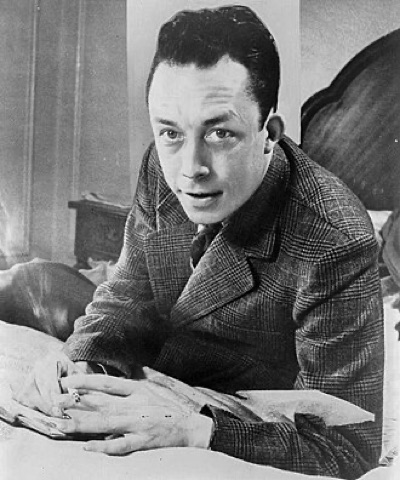
Hersey follows six survivors through the first days after the bomb, letting their small routines of rescue and hunger carry the horror. Like Camus, he trusts plain sentences and concrete detail to make a public disaster feel intimately personal.

Reading Snapshot
256 pages, 20% shorter than a typical 320-page novel
The Plague
- Published
- 2013
- Pages
- 256
- Reading Time
- ~5 hrs
- Publisher
- National Geographic Books
Synopsis
In the French Algerian city of Oran, ordinary life is shattered when a deadly plague suddenly erupts, forcing the authorities to seal the town off from the outside world.
Trapped within the quarantined city, a diverse cast of residents—from dedicated doctors to stranded vacationers and fugitives—must confront fear, isolation, and the fragility of existence. As the crisis deepens, their responses reveal both the unexpected heroism and the quiet endurance of a community under siege.
Clear-eyed and deeply humane, Camus’s enduring novel is a powerful meditation on destiny, solidarity, and the human condition.
Similar Books You Might Enjoy

A prince watches his world dissolve during the Risorgimento and responds with a fatalistic clarity that resembles Camus's rigorous acceptance of what cannot be fixed. The novel's ironic, measured narration treats collapse as something to be understood rather than redeemed.
A sudden contagion of white blindness strips a city down to its basest and most generous impulses, and Saramago's long, unbroken sentences mirror the claustrophobia of the quarantine. It asks the same question Camus does: what a society owes its most vulnerable members once the rules collapse.
Barry braids epidemiology, wartime politics, and the stubbornness of individual scientists into a chronicle of how the 1918 flu was misunderstood and mishandled. Readers who admired Camus's sense of how officials and ordinary people fail in real time will find the same bitter honesty here, grounded in documented fact.
Ten young Florentines flee the Black Death to a villa and tell one hundred stories, a deliberate act of civility against the rot outside. Boccaccio shows, as Camus does, that storytelling and solidarity are a form of resistance to a pestilence that otherwise reduces people to bodies.