
Reading Snapshot
380 pages, 19% longer than a typical 320-page novel
The Shaping of Middle-Earth: The Quenta, the Ambarkanta and the Annals (The History of Middle-Earth, Vol 4)
- Published
- 1986
- Pages
- 380
- Reading Time
- ~7.5 hrs
- Publisher
- Houghton Mifflin
Synopsis
In this truly indispensable reference, trace the development of the early lore of Middle-earth. Poems and prose, maps and chronologies, detours and diversions along the road to Middle-earth -- Christopher Tolkien has gathered archival materials that his late father, J.R.R.
Tolkien, used to create the world and the history behind his classic stories. The Shaping of Middle-earth presents early versions of those first tales, from the creation myth to the fall of Morgoth.
Writings include a chronology of the events in Beleriand, the first Silmarillion map, and the only known description of the physical nature of Middle-earth's universe. Detailed annotations highlight changes ranging from the spelling of Elvish names to pivotal emendations whose effects reach even to the War of the Ring.
This extraordinary book will be fascinating reading for those just entering this world -- and a delight for fans of this endlessly beloved land. - Back cover.
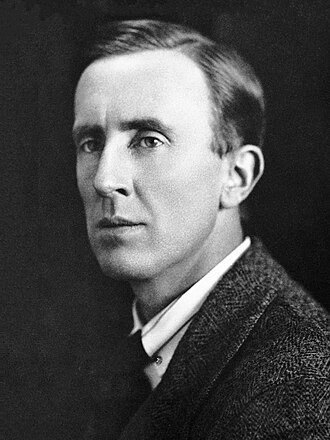
About J.R.R. Tolkien
John Ronald Reuel Tolkien (1892-1973) was a major scholar of the English language, specialising in Old and Middle English. Twice Professor of Anglo-Saxon (Old English) at the University of Oxford, he also wrote a number of stories, including most famously The Hobbit (1937) and The Lord of the Rings (1954-1955), which are set in a pre-historic era in an invented version of the world which he called by the Middle English name of Middle-earth. This was peopled by Men (and women), Elves, Dwarves, Trolls, Orcs (or Goblins) and of course Hobbits. He has regularly been condemned by the Eng. Lit. establishment, with honourable exceptions, but loved by literally millions of readers worldwide. In the 1960s he was taken up by many members of the nascent "counter-culture" largely because of his concern with environmental issues. In 1997 he came top of three British polls, organised respectively by Channel 4 / Waterstone's, the Folio Society, and SFX, the UK's leading science fiction media magazine, amongst discerning readers asked to vote for the greatest book of the 20th century.