← Back to QuotesQuotes / Carl Sagan
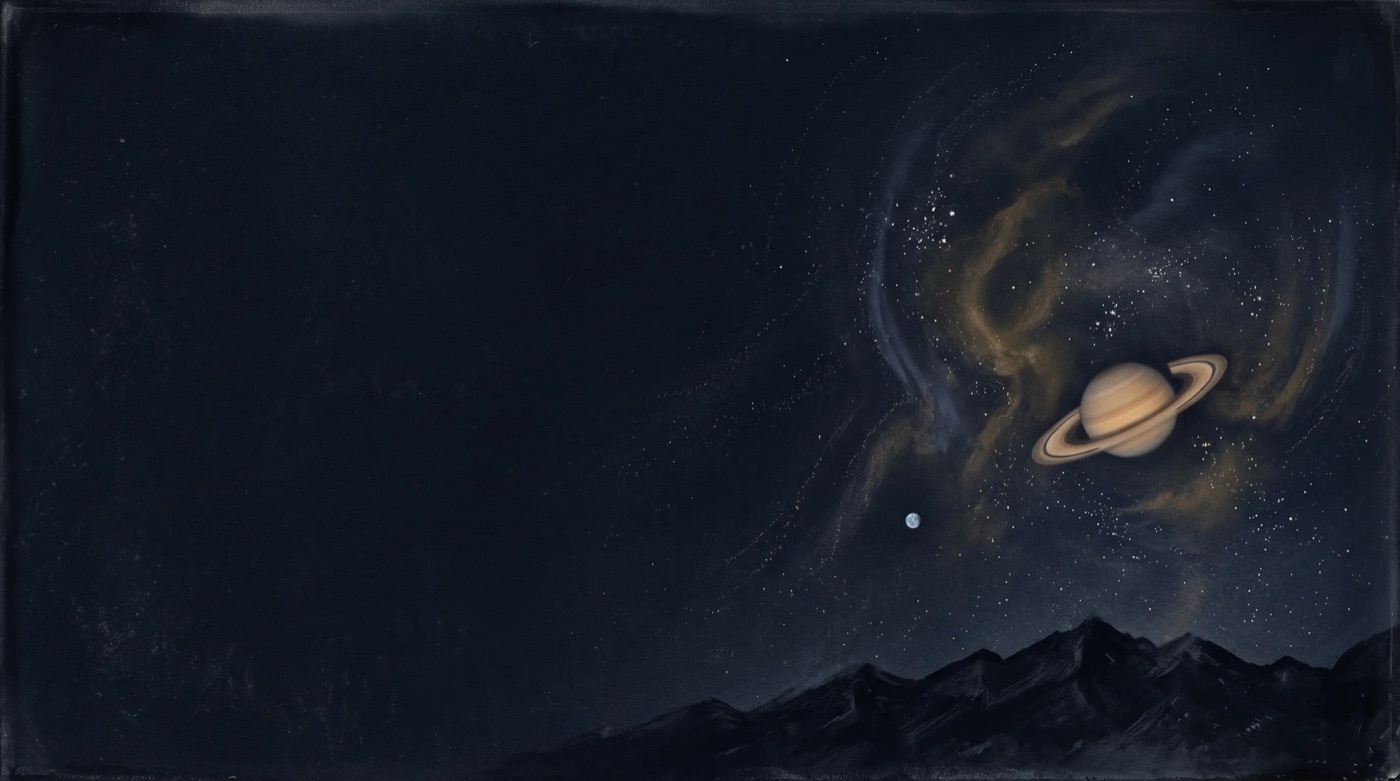
“Once we lose our fear of being tiny, we find ourselves on the threshold of a vast and awesome Universe which dwarfs -- in time, in space, and in potential -- the tidy anthropocentric proscenium of our ancestors.” — Carl Sagan
“Once we lose our fear of being tiny, we find ourselves on the threshold of a vast and awesome Universe which dwarfs -- in time, in space, and in potential -- the tidy anthropocentric proscenium of our ancestors.”
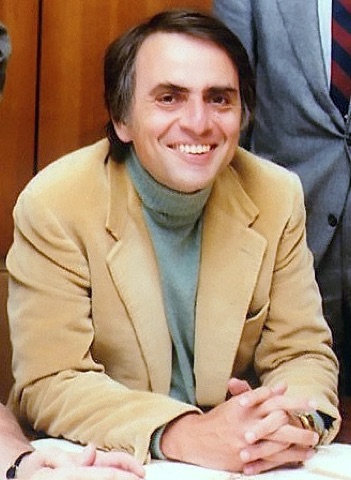
Carl Sagan
Astronomer & Author — Pale Blue Dot: a Vision of the Human Future in Space
Try alternate cosmic art
About Carl Sagan
Astronomer & Author (1934–1996)
Carl Sagan (1934–1996) was an American astronomer, planetary scientist, cosmologist, and Pulitzer Prize–winning author who published more than 600 scientific papers and articles alongside landmark works including Cosmos, Pale Blue Dot, Contact, and The Demon-Haunted World. A longtime professor at Cornell University and advisor to NASA’s Mariner, Viking, and Voyager missions, Sagan helped assemble the Voyager Golden Record and championed scientific wonder, skeptical inquiry, and our shared stewardship of Earth.
Share Card Studio
Books Like Pale Blue Dot: a Vision of the Human Future in Space


Kindred Quotes
“Science is not only compatible with spirituality; it is a profound source of spirituality.”
Carl Sagan
Astronomer & Author
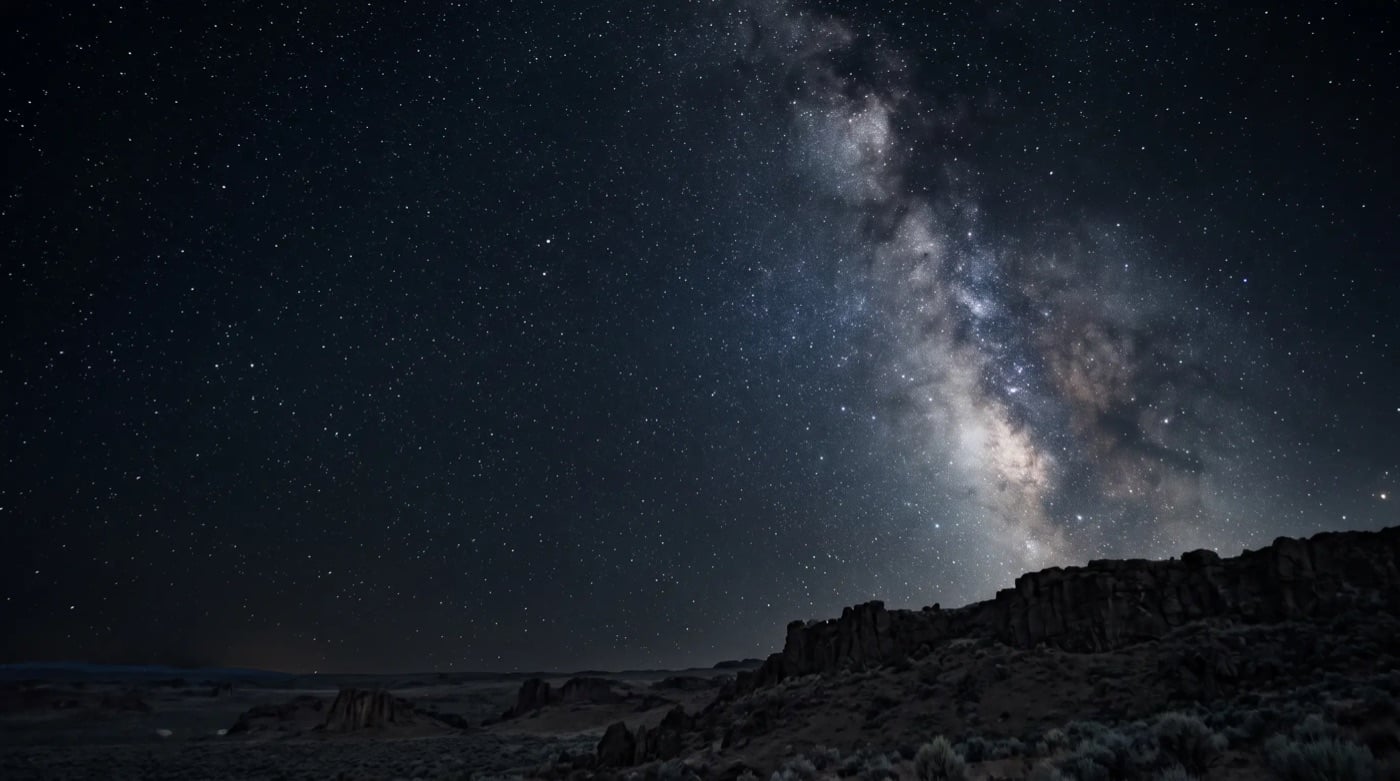
“One, remember to look up at the stars and not down at your feet. Two, never give up work. Work gives you meaning and purpose and life is empty without it. Three, if you are lucky enough to find love, remember it is there and don't throw it away.”
Stephen Hawking
Theoretical Physicist
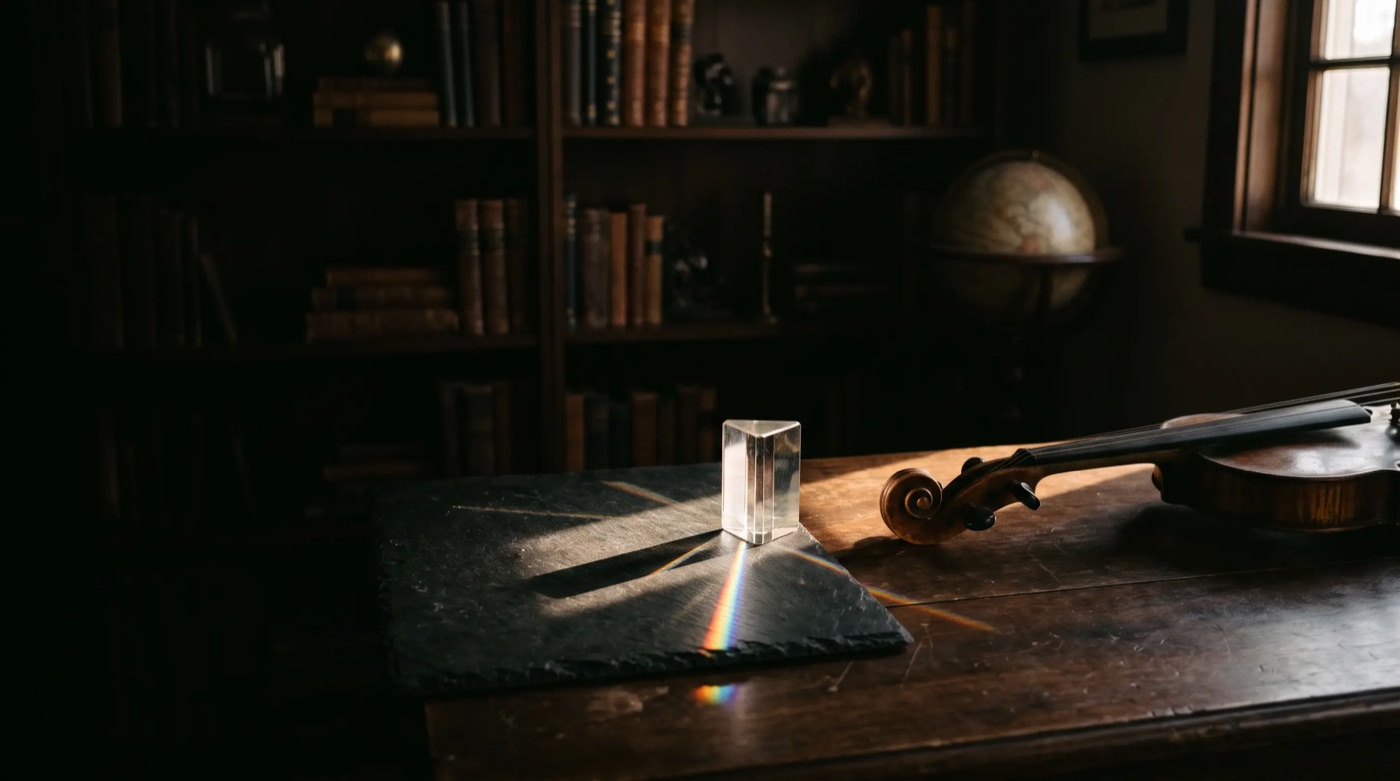
“A human being is a part of the whole called by us universe, a part limited in time and space. He experiences himself, his thoughts and feeling as something separated from the rest, a kind of optical delusion of his consciousness. This delusion is a kind of prison for us, restricting us to our personal desires and to affection for a few persons nearest to us. Our task must be to free ourselves from this prison by widening our circle of compassion to embrace all living creatures and the whole of nature in its beauty.”
Albert Einstein
Theoretical Physicist