← Back to QuotesQuotes / Marcus Aurelius
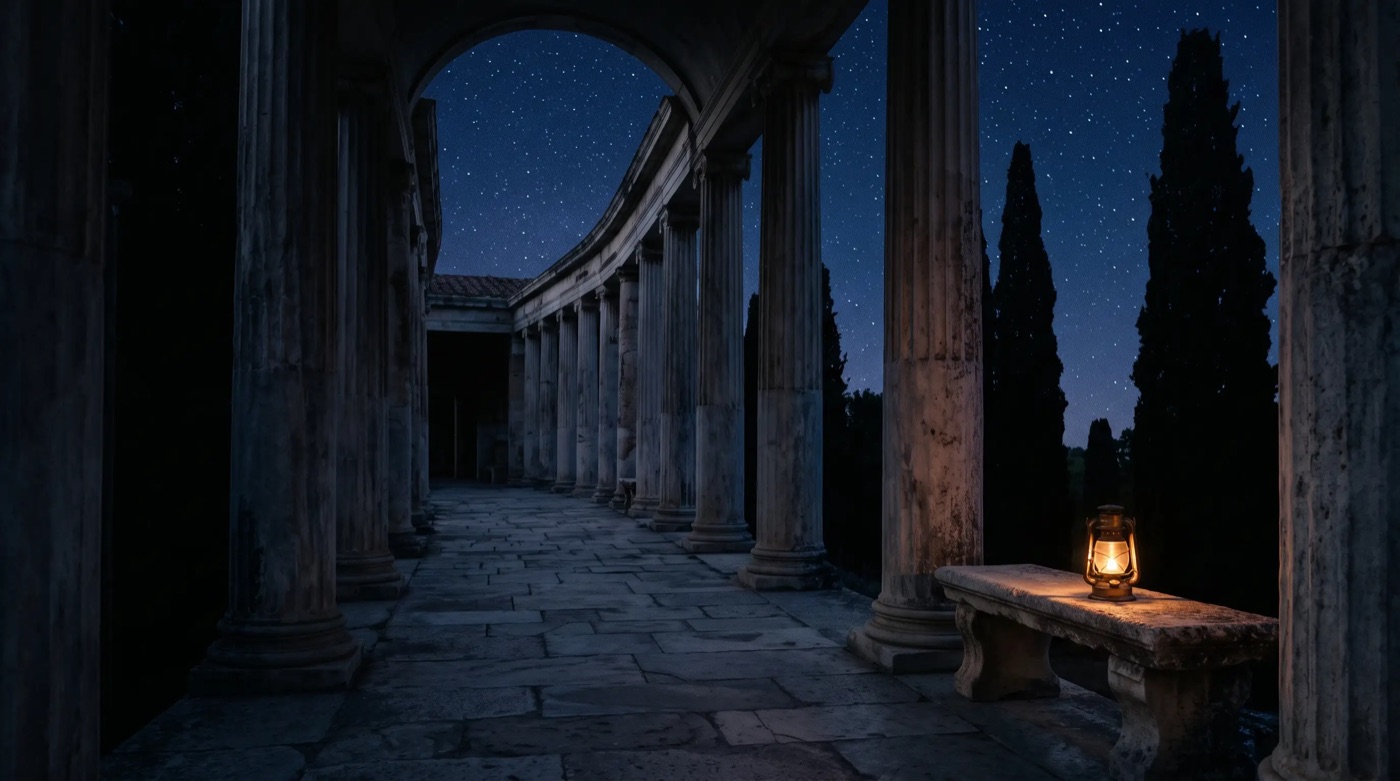
“There is change in all things. You yourself are subject to continual change and some decay, and this is common to the entire universe.” — Marcus Aurelius
“There is change in all things. You yourself are subject to continual change and some decay, and this is common to the entire universe.”
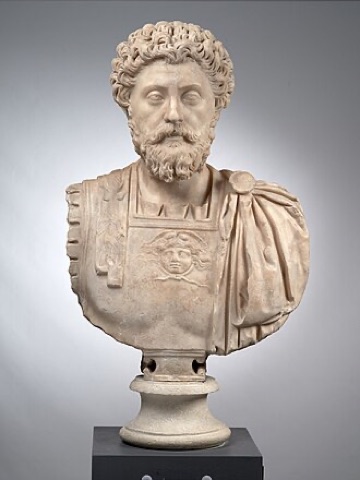
Marcus Aurelius
Roman Stoic Emperor
About Marcus Aurelius
Roman Stoic Emperor (121–180 AD)
Marcus Aurelius Antoninus was Roman Emperor from 161 to 180. He ruled with Lucius Verus as co-emperor from 161 until Verus' death in 169. He was the last of the "Five Good Emperors", and is also considered one of the most important Stoic philosophers. During his reign, the empire defeated a revitalized Parthian Empire; Aurelius' general Avidius Cassius sacked the capital Ctesiphon in 164. Aurelius fought the Marcomanni, Quadi, and Sarmatians with success during the Marcomannic Wars, but the threat of the Germanic Tribes began to represent a troubling reality for the empire. A revolt in the east led by Avidius Cassius failed to gain momentum and was suppressed immediately. Marcus Aurelius' work Meditations, written in Greek while on campaign between 170 and 180, is still revered as a literary monument to a government of service and duty. It serves as an example of how Aurelius approached the Platonic ideal of a philosopher-king and how he symbolized much of what was best about Roman civilization.
Share Card Studio
Books by Marcus Aurelius

Kindred Quotes

“The man of knowledge must be able not only to love his enemies but also to hate his friends.”
Friedrich Nietzsche
Philosopher

“One, remember to look up at the stars and not down at your feet. Two, never give up work. Work gives you meaning and purpose and life is empty without it. Three, if you are lucky enough to find love, remember it is there and don't throw it away.”
Stephen Hawking
Theoretical Physicist

“A human being is a part of the whole called by us universe, a part limited in time and space. He experiences himself, his thoughts and feeling as something separated from the rest, a kind of optical delusion of his consciousness. This delusion is a kind of prison for us, restricting us to our personal desires and to affection for a few persons nearest to us. Our task must be to free ourselves from this prison by widening our circle of compassion to embrace all living creatures and the whole of nature in its beauty.”
Albert Einstein
Theoretical Physicist