← Back to QuotesQuotes / Marcus Tullius Cicero
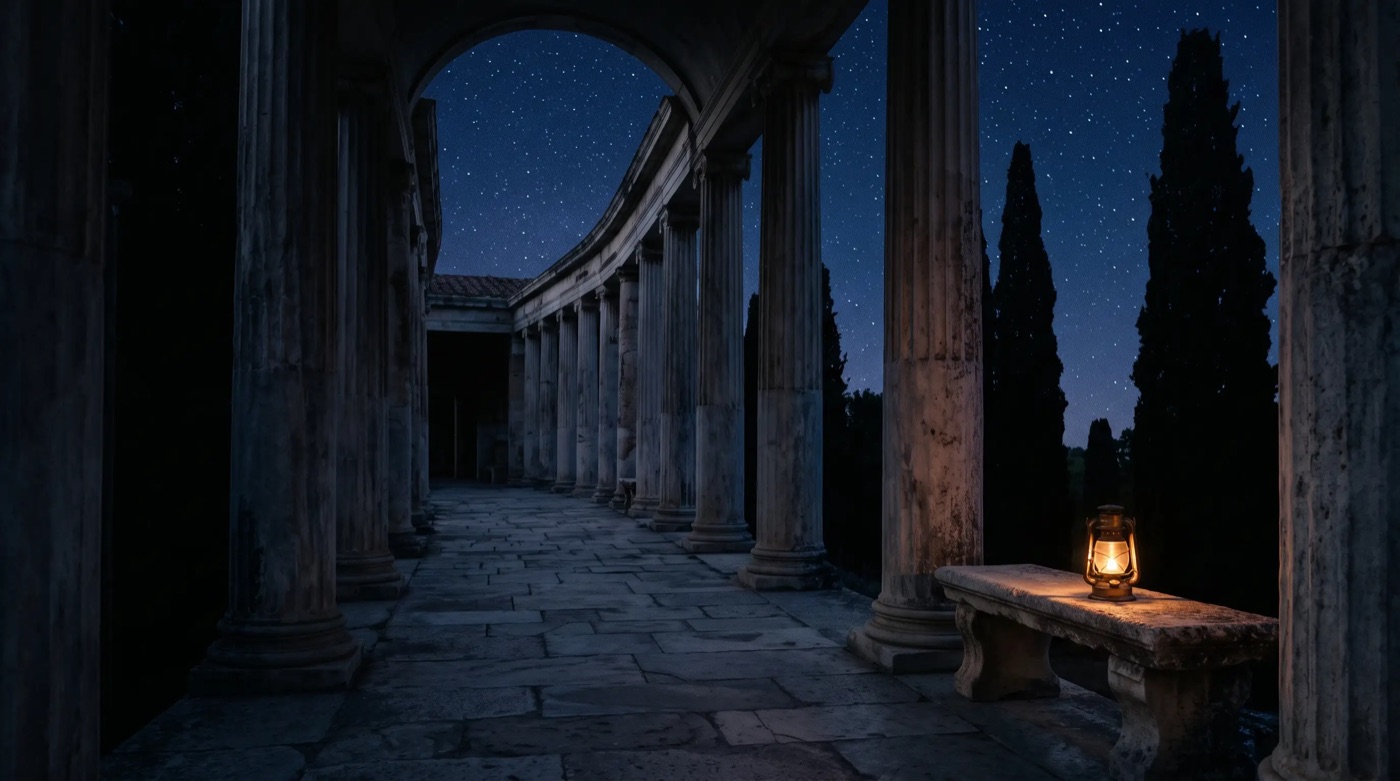
“I have taken so kindly to idleness that I can't tear myself away from it. So either I amuse myself with books, of which I have a good stock at Antium, or I count the waves - the weather is unsuitable for mackerel fishing... And my sole form of political activity is to hate the rascals, and even that I do without anger.” — Marcus Tullius Cicero
“I have taken so kindly to idleness that I can't tear myself away from it. So either I amuse myself with books, of which I have a good stock at Antium, or I count the waves - the weather is unsuitable for mackerel fishing... And my sole form of political activity is to hate the rascals, and even that I do without anger.”
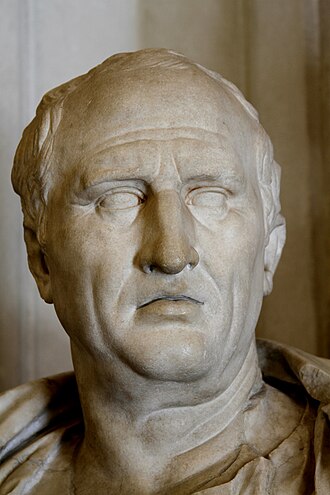
Marcus Tullius Cicero
Roman Statesman & Philosopher
About Marcus Tullius Cicero
Roman Statesman & Philosopher (106–43 BCE)
Marcus Tullius Cicero (pronounced /ˈsɪsɨroʊ/; Classical Latin: [ˈkikeroː]; January 3, 106 BC – December 7, 43 BC) was a Roman philosopher, statesman, lawyer, political theorist, and Roman constitutionalist. He came from a wealthy municipal family of the equestrian order, and is widely considered one of Rome's greatest orators and prose stylists. He introduced the Romans to the chief schools of Greek philosophy and created a Latin philosophical vocabulary (with neologisms such as humanitas, qualitas, quantitas, and essentia) distinguishing himself as a linguist, translator, and philosopher. An impressive orator and successful lawyer, Cicero thought that his political career was his most important achievement. Today, he is appreciated primarily for his humanism and philosophical and political writings. His voluminous correspondence, much of it addressed to his friend Atticus, has been especially influential, introducing the art of refined letter writing to European culture. Cornelius Nepos, the 1st-century BC biographer of Atticus, remarked that Cicero's letters contained such a wealth of detail "concerning the inclinations of leading men, the faults of the generals, and the revolutions in the government" that their reader had little need for a history of the period. Cicero's speeches and letters remain some of the most important primary sources that survive on the last days of the Roman Republic. During the chaotic latter half of the first century B.C. marked by civil wars and the dictatorship of Gaius Julius Caesar, Cicero championed a return to the traditional republican government. However, his career as a statesman was marked by inconsistencies and a tendency to shift his position in response to changes in the political climate. His indecision may be attributed to his sensitive and impressionable personality; he was prone to overreaction in the face of political and private change. "Would that he had been able to endure prosperity with greater self-control and adversity with more fortitude!" wrote C. Asinius Pollio, a contemporary Roman statesman and historian. Cicero became an enemy of Mark Antony, attacking him in a series of speeches. He was proscribed an enemy of the state by the Second Triumvirate and subsequently murdered in 43 BC. Source: Wikipedia
Share Card Studio
Books to Read Next — Secret Archives


Kindred Quotes
“A room without books is like a body without a soul.”
Marcus Tullius Cicero
Roman Statesman & Philosopher

“The person, be it gentleman or lady, who has not pleasure in a good novel, must be intolerably stupid.”
Jane Austen
English Novelist
“You may not be her first, her last, or her only. She loved before she may love again. But if she loves you now, what else matters? She's not perfect—you aren't either, and the two of you may never be perfect together but if she can make you laugh, cause you to think twice, and admit to being human and making mistakes, hold onto her and give her the most you can. She may not be thinking about you every second of the day, but she will give you a part of her that she knows you can break—her heart. So don't hurt her, don't change her, don't analyze and don't expect more than she can give. Smile when she makes you happy, let her know when she makes you mad, and miss her when she's not there.”
Bob Marley
Musician & Songwriter