← Back to QuotesQuotes / R. Scott Bakker
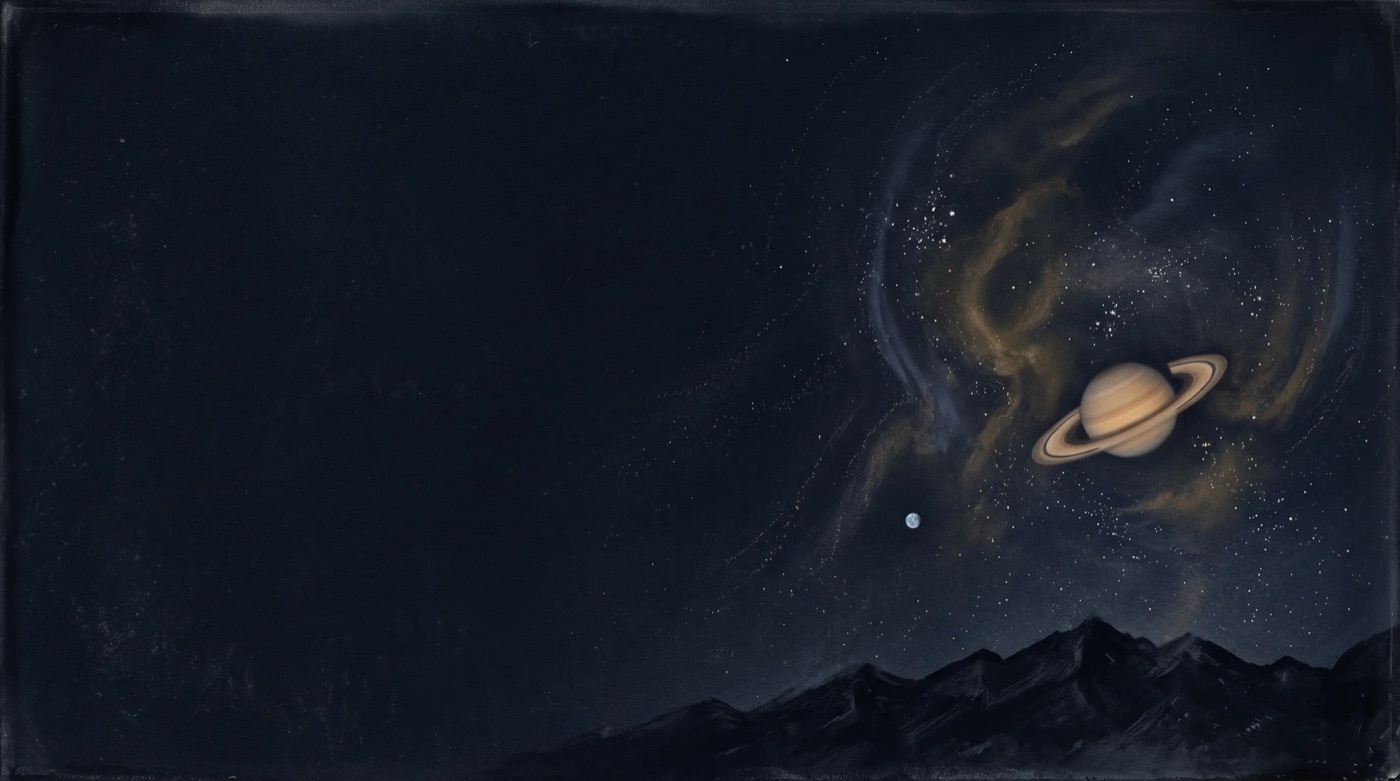
“Water everywhere, falling in thundering cataracts, singular drops, and draping sheets. Kellhus paused next to one of the shining braziers, peered beneath the bronze visage that loomed orange and scowling over his father, watched him lean back into absolute shadow. “You came to the world,” unseen lips said, “and you saw that Men were like children.” Lines of radiance danced across the intervening waters. “It is their nature to believe as their fathers believed,” the darkness continued. “To desire as they desired … Men are like wax poured into moulds: their souls are cast by their circumstances. Why are no Fanim children born to Inrithi parents? Why are no Inrithi children born to Fanim parents? Because these truths are made, cast by the particularities of circumstance. Rear an infant among Fanim and he will become Fanim. Rear him among Inrithi and he will become Inrithi … “Split him in two, and he would murder himself.” Without warning, the face re-emerged, water-garbled, white save the black sockets beneath his brow. The action seemed random, as though his father merely changed posture to relieve some vagrant ache, but it was not. Everything, Kellhus knew, had been premeditated. For all the changes wrought by thirty years in the Wilderness, his father remained Dûnyain … Which meant that Kellhus stood on conditioned ground. “But as obvious as this is,” the blurred face continued, “it escapes them. Because they cannot see what comes before them, they assume nothing comes before them. Nothing. They are numb to the hammers of circumstance, blind to their conditioning. What is branded into them, they think freely chosen. So they thoughtlessly cleave to their intuitions, and curse those who dare question. They make ignorance their foundation. They confuse their narrow conditioning for absolute truth.” He raised a cloth, pressed it into the pits of his eyes. When he withdrew it, two rose-coloured stains marked the pale fabric. The face slipped back into the impenetrable black. “And yet part of them fears. For even unbelievers share the depth of their conviction. Everywhere, all about them, they see examples of their own self-deception … ‘Me!’ everyone cries. ‘I am chosen!’ How could they not fear when they so resemble children stamping their feet in the dust? So they encircle themselves with yea-sayers, and look to the horizon for confirmation, for some higher sign that they are as central to the world as they are to themselves.” He waved his hand out, brought his palm to his bare breast. “And they pay with the coin of their devotion.” — R. Scott Bakker
“Water everywhere, falling in thundering cataracts, singular drops, and draping sheets. Kellhus paused next to one of the shining braziers, peered beneath the bronze visage that loomed orange and scowling over his father, watched him lean back into absolute shadow. “You came to the world,” unseen lips said, “and you saw that Men were like children.” Lines of radiance danced across the intervening waters. “It is their nature to believe as their fathers believed,” the darkness continued. “To desire as they desired … Men are like wax poured into moulds: their souls are cast by their circumstances. Why are no Fanim children born to Inrithi parents? Why are no Inrithi children born to Fanim parents? Because these truths are made, cast by the particularities of circumstance. Rear an infant among Fanim and he will become Fanim. Rear him among Inrithi and he will become Inrithi … “Split him in two, and he would murder himself.” Without warning, the face re-emerged, water-garbled, white save the black sockets beneath his brow. The action seemed random, as though his father merely changed posture to relieve some vagrant ache, but it was not. Everything, Kellhus knew, had been premeditated. For all the changes wrought by thirty years in the Wilderness, his father remained Dûnyain … Which meant that Kellhus stood on conditioned ground. “But as obvious as this is,” the blurred face continued, “it escapes them. Because they cannot see what comes before them, they assume nothing comes before them. Nothing. They are numb to the hammers of circumstance, blind to their conditioning. What is branded into them, they think freely chosen. So they thoughtlessly cleave to their intuitions, and curse those who dare question. They make ignorance their foundation. They confuse their narrow conditioning for absolute truth.” He raised a cloth, pressed it into the pits of his eyes. When he withdrew it, two rose-coloured stains marked the pale fabric. The face slipped back into the impenetrable black. “And yet part of them fears. For even unbelievers share the depth of their conviction. Everywhere, all about them, they see examples of their own self-deception … ‘Me!’ everyone cries. ‘I am chosen!’ How could they not fear when they so resemble children stamping their feet in the dust? So they encircle themselves with yea-sayers, and look to the horizon for confirmation, for some higher sign that they are as central to the world as they are to themselves.” He waved his hand out, brought his palm to his bare breast. “And they pay with the coin of their devotion.”

R. Scott Bakker
Humorist & Writer — The Thousandfold Thought
About R. Scott Bakker
Humorist & Writer
Canadian fantasy writer R. Scott Bakker, born in 1967 in Simcoe, Ontario, has built his reputation on dark, philosophically dense storytelling. Raised on a tobacco farm where fantasy novels offered an escape, he drew on his studies in literature and philosophy to create The Second Apocalypse, a sprawling saga set in the continent of Eärwa. His debut, The Darkness That Comes Before, opened the Prince of Nothing trilogy with a grim, realistic portrait of holy war, and his standalone thriller Neuropath probes determinism and the nature of free will. Readers who enjoy fantasy that questions how the mind works will find his books deeply rewarding.
Share Card Studio
Books by R. Scott Bakker


Kindred Quotes

“Those who find ugly meanings in beautiful things are corrupt without being charming. This is a fault. Those who find beautiful meanings in beautiful things are the cultivated. For these there is hope. They are the elect to whom beautiful things mean only Beauty. There is no such thing as a moral or an immoral book. Books are well written, or badly written. That is all.”
Oscar Wilde
Playwright & Wit
“This life is what you make it. No matter what, you're going to mess up sometimes, it's a universal truth. But the good part is you get to decide how you're going to mess it up. Girls will be your friends - they'll act like it anyway. But just remember, some come, some go. The ones that stay with you through everything - they're your true best friends. Don't let go of them. Also remember, sisters make the best friends in the world. As for lovers, well, they'll come and go too. And baby, I hate to say it, most of them - actually pretty much all of them are going to break your heart, but you can't give up because if you give up, you'll never find your soulmate. You'll never find that half who makes you whole and that goes for everything. Just because you fail once, doesn't mean you're gonna fail at everything. Keep trying, hold on, and always, always, always believe in yourself, because if you don't, then who will, sweetie? So keep your head high, keep your chin up, and most importantly, keep smiling, because life's a beautiful thing and there's so much to smile about.”
Marilyn Monroe
Actor & Cultural Icon
“The fear of death follows from the fear of life. A man who lives fully is prepared to die at any time.”
Mark Twain
Novelist & Humorist