← Back to QuotesQuotes / Rainer Maria Rilke
Science & the Cosmos, Nature & Wonder, Life & Philosophy20th Century
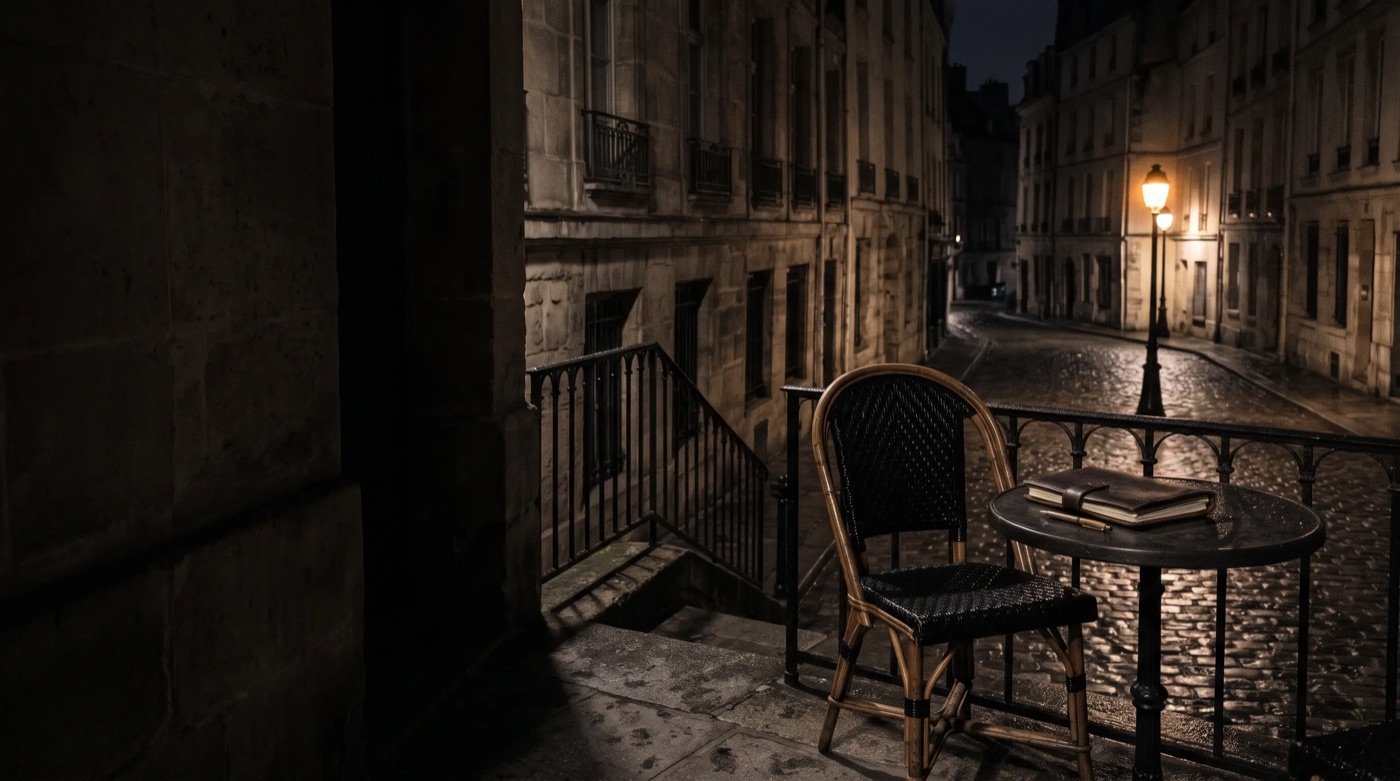
“But if they, the infinitely dead, were awakening an image within us, see, they would perhaps point to the catkins hanging from the bare hazels, or mean the rain pelting the dark earth in spring.— And we, who think of happiness as rising, would feel an emotion that almost startles when a happy thing falls.” — Rainer Maria Rilke
“But if they, the infinitely dead, were awakening an image within us, see, they would perhaps point to the catkins hanging from the bare hazels, or mean the rain pelting the dark earth in spring.— And we, who think of happiness as rising, would feel an emotion that almost startles when a happy thing falls.”
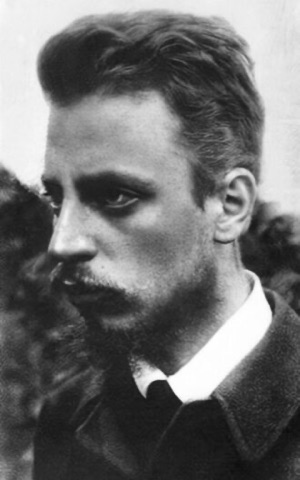
Rainer Maria Rilke
Austrian Poet — Duino Elegies
About Rainer Maria Rilke
Austrian Poet (1875–1926)
Born in Prague in 1875, when the city belonged to the Austro-Hungarian Empire, Rainer Maria Rilke wrote in German and stands among the most celebrated lyric voices of modern European letters. His poetry turns inward, probing solitude, mysticism, and the elusive texture of experience, while his time as secretary to the sculptor Auguste Rodin taught him to render objects with sharp, deliberate precision. Readers often begin with The Book of Hours or New Poems, then move on to The Notebooks of Malte Laurids Brigge, his singular novel. His late Duino Elegies and Sonnets to Orpheus, both appearing in 1922, remain his most enduring achievements, weaving beauty and suffering into visionary, demanding verse.
Share Card Studio
Books by Rainer Maria Rilke


Kindred Quotes

“Doubt thou the stars are fire; Doubt that the sun doth move; Doubt truth to be a liar; But never doubt I love.”
William Shakespeare
Playwright & Poet
“You've gotta dance like there's nobody watching, Love like you'll never be hurt, Sing like there's nobody listening, And live like it's heaven on earth.”
William W. Purkey
Writer & Voice
“The saddest aspect of life right now is that science gathers knowledge faster than society gathers wisdom.”
Isaac Asimov
Writer & Voice