← Back to QuotesQuotes / Rainer Maria Rilke
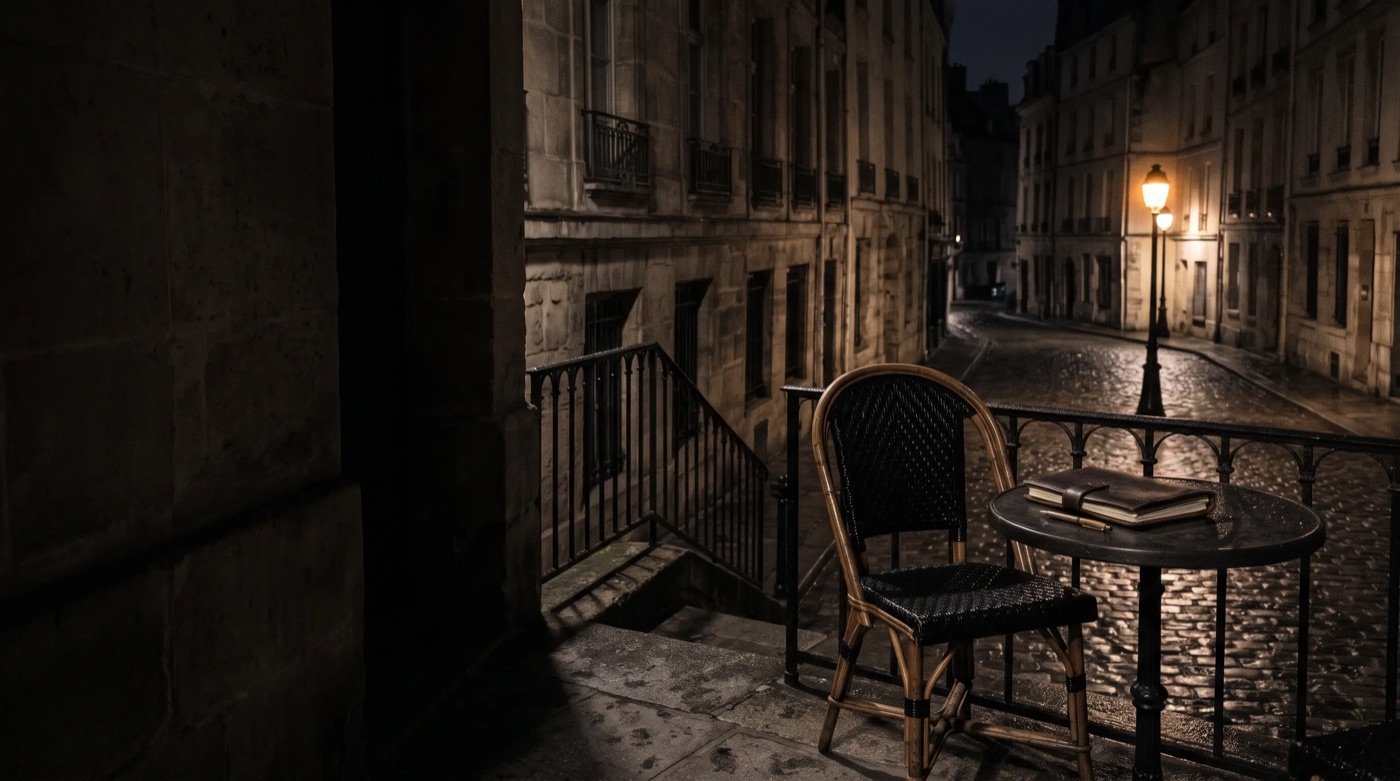
“This is the creature there has never been. They never knew it, and yet, none the less, they loved the way it moved, its suppleness, its neck, its very gaze, mild and serene. Not there, because they loved it, it behaved as though it were. They always left some space. And in that clear unpeopled space they saved it lightly reared its head, with scarce a trace of not being there. They fed it, not with corn, but only with the possibility of being. And that was able to confer such strength, its brow put forth a horn. One horn. Whitely it stole up to a maid - to be within the silver mirror and in her.” — Rainer Maria Rilke
“This is the creature there has never been. They never knew it, and yet, none the less, they loved the way it moved, its suppleness, its neck, its very gaze, mild and serene. Not there, because they loved it, it behaved as though it were. They always left some space. And in that clear unpeopled space they saved it lightly reared its head, with scarce a trace of not being there. They fed it, not with corn, but only with the possibility of being. And that was able to confer such strength, its brow put forth a horn. One horn. Whitely it stole up to a maid - to be within the silver mirror and in her.”
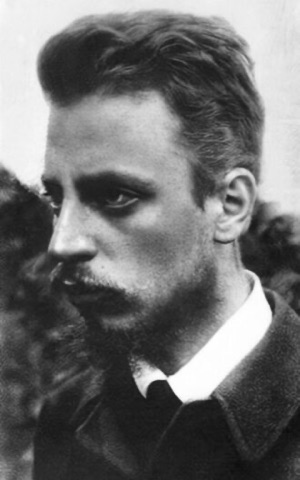
Rainer Maria Rilke
Austrian Poet
About Rainer Maria Rilke
Austrian Poet (1875–1926)
Born in Prague in 1875, when the city belonged to the Austro-Hungarian Empire, Rainer Maria Rilke wrote in German and stands among the most celebrated lyric voices of modern European letters. His poetry turns inward, probing solitude, mysticism, and the elusive texture of experience, while his time as secretary to the sculptor Auguste Rodin taught him to render objects with sharp, deliberate precision. Readers often begin with The Book of Hours or New Poems, then move on to The Notebooks of Malte Laurids Brigge, his singular novel. His late Duino Elegies and Sonnets to Orpheus, both appearing in 1922, remain his most enduring achievements, weaving beauty and suffering into visionary, demanding verse.
Share Card Studio
Books by Rainer Maria Rilke


Kindred Quotes
“Don't be pushed around by the fears in your mind. Be led by the dreams in your heart.”
Roy T. Bennett
Author
“All that is gold does not glitter, Not all those who wander are lost; The old that is strong does not wither, Deep roots are not reached by the frost. From the ashes a fire shall be woken, A light from the shadows shall spring; Renewed shall be blade that was broken, The crownless again shall be king.”
J.R.R. Tolkien
Author & Philologist
“I must not fear. Fear is the mind-killer. Fear is the little-death that brings total obliteration. I will face my fear. I will permit it to pass over me and through me. And when it has gone past I will turn the inner eye to see its path. Where the fear has gone there will be nothing. Only I will remain.”
Frank Herbert
Science Fiction Author