
← Back to QuotesQuotes / Virginia Woolf
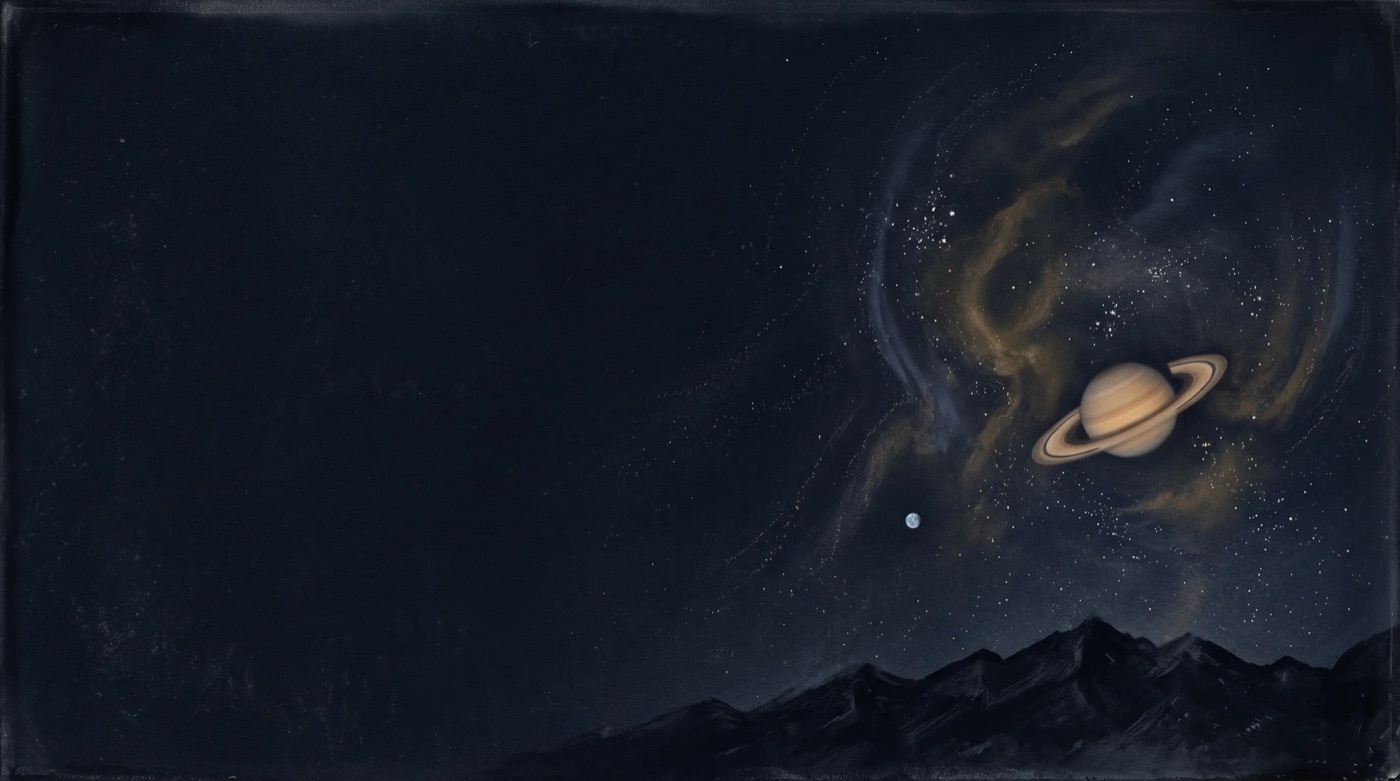
“I often wish I'd got on better with your father,' he said. But he never liked anyone who--our friends,' said Clarissa; and could have bitten her tongue for thus reminding Peter that he had wanted to marry her. Of course I did, thought Peter; it almost broke my heart too, he thought; and was overcome with his own grief, which rose like a moon looked at from a terrace, ghastly beautiful with light from the sunken day. I was more unhappy than I've ever been since, he thought. And as if in truth he were sitting there on the terrace he edged a little towards Clarissa; put his hand out; raised it; let it fall. There above them it hung, that moon. She too seemed to be sitting with him on the terrace, in the moonlight.” — Virginia Woolf
“I often wish I'd got on better with your father,' he said. But he never liked anyone who--our friends,' said Clarissa; and could have bitten her tongue for thus reminding Peter that he had wanted to marry her. Of course I did, thought Peter; it almost broke my heart too, he thought; and was overcome with his own grief, which rose like a moon looked at from a terrace, ghastly beautiful with light from the sunken day. I was more unhappy than I've ever been since, he thought. And as if in truth he were sitting there on the terrace he edged a little towards Clarissa; put his hand out; raised it; let it fall. There above them it hung, that moon. She too seemed to be sitting with him on the terrace, in the moonlight.”
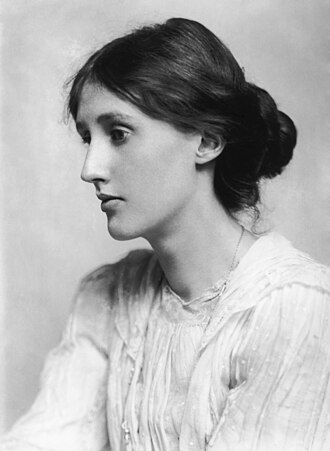
Virginia Woolf
Modernist Novelist — Mrs. Dalloway
About Virginia Woolf
Modernist Novelist (1882–1941)
Virginia Woolf was an English novelist, essayist, diarist, epistler, publisher, feminist, and writer of short stories, regarded as one of the foremost modernist literary figures of the twentieth century. Comment from Ursula Le Guin on The Guardian: > You can't write science fiction well if you haven't read it, though not all who try to write it know this. But nor can you write it well if you haven't read anything else. Genre is a rich dialect, in which you can say certain things in a particularly satisfying way, but if it gives up connection with the general literary language it becomes a jargon, meaningful only to an ingroup. Useful models may be found quite outside the genre. I learned a lot from reading the ever-subversive Virginia Woolf. > I was 17 when I read Orlando. It was half-revelation, half-confusion to me at that age, but one thing was clear: that she imagined a society vastly different from our own, an exotic world, and brought it dramatically alive. I'm thinking of the Elizabethan scenes, the winter when the Thames froze over. Reading, I was there, saw the bonfires blazing in the ice, felt the marvellous strangeness of that moment 500 years ago – the authentic thrill of being taken absolutely elsewhere. > How did she do it? By precise, specific descriptive details, not heaped up and not explained: a vivid, telling imagery, highly selected, encouraging the reader's imagination to fill out the picture and see it luminous, complete. > In Flush, Woolf gets inside a dog's mind, that is, a non-human brain, an alien mentality – very science-fictional if you look at it that way. Again what I learned was the power of accurate, vivid, highly selected detail. I imagine Woolf looking down at the dog asleep beside the ratty armchair she wrote in and thinking what are your dreams? and listening... sniffing the wind... after the rabbit, out on the hills, in the dog's timeless world. > Useful stuff, for those who like to see through eyes other than our own.
Share Card Studio
Books by Virginia Woolf


Kindred Quotes
“Doubt thou the stars are fire; Doubt that the sun doth move; Doubt truth to be a liar; But never doubt I love.”
William Shakespeare
Playwright & Poet
“You've gotta dance like there's nobody watching, Love like you'll never be hurt, Sing like there's nobody listening, And live like it's heaven on earth.”
William W. Purkey
Writer & Voice
“This life is what you make it. No matter what, you're going to mess up sometimes, it's a universal truth. But the good part is you get to decide how you're going to mess it up. Girls will be your friends - they'll act like it anyway. But just remember, some come, some go. The ones that stay with you through everything - they're your true best friends. Don't let go of them. Also remember, sisters make the best friends in the world. As for lovers, well, they'll come and go too. And baby, I hate to say it, most of them - actually pretty much all of them are going to break your heart, but you can't give up because if you give up, you'll never find your soulmate. You'll never find that half who makes you whole and that goes for everything. Just because you fail once, doesn't mean you're gonna fail at everything. Keep trying, hold on, and always, always, always believe in yourself, because if you don't, then who will, sweetie? So keep your head high, keep your chin up, and most importantly, keep smiling, because life's a beautiful thing and there's so much to smile about.”
Marilyn Monroe
Actor & Cultural Icon