
← Back to QuotesQuotes / Virginia Woolf
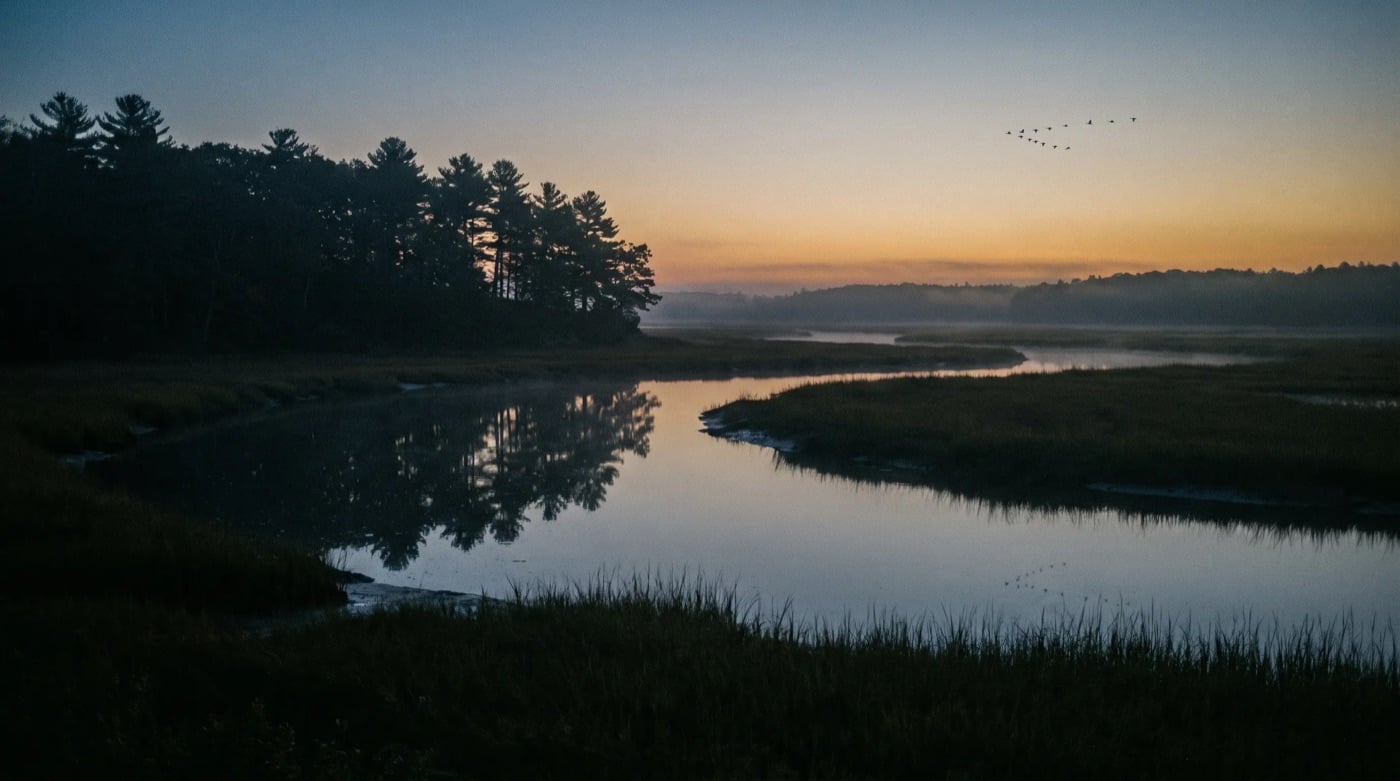
“Nancy waded out to her own rocks and searched her own pools and let that couple look after themselves. She crouched low down and touched the smooth rubber-like sea anemones, who were stuck like lumps of jelly to the side of the rock. Brooding, she changed the pool into the sea, and made the minnows into sharks and whales, and cast vast clouds over this tiny world by holding her hand against the sun, and so brought darkness and desolation, like God himself, to millions of ignorant and innocent creatures, and then took her hand away suddenly and let the sun stream down. Out on the pale criss-crossed sand, high-stepping, fringed, gauntleted, stalked some fantastic leviathan (she was still enlarging the pool), and slipped into the vast fissures of the mountain side. And then, letting her eyes slide imperceptibly above the pool and rest on that wavering line of sea and sky, on the tree trunks which the smoke of steamers made waver on the horizon, she became with all that power sweeping savagely in and inevitably withdrawing, hypnotised, and the two senses of that vastness and this tininess (the pool had diminished again) flowering within it made her feel that she was bound hand and foot and unable to move by the intensity of feelings which reduced her own body, her own life, and the lives of all the people in the world, for ever, to nothingness. So listening to the waves, crouching over the pool, she brooded.” — Virginia Woolf
“Nancy waded out to her own rocks and searched her own pools and let that couple look after themselves. She crouched low down and touched the smooth rubber-like sea anemones, who were stuck like lumps of jelly to the side of the rock. Brooding, she changed the pool into the sea, and made the minnows into sharks and whales, and cast vast clouds over this tiny world by holding her hand against the sun, and so brought darkness and desolation, like God himself, to millions of ignorant and innocent creatures, and then took her hand away suddenly and let the sun stream down. Out on the pale criss-crossed sand, high-stepping, fringed, gauntleted, stalked some fantastic leviathan (she was still enlarging the pool), and slipped into the vast fissures of the mountain side. And then, letting her eyes slide imperceptibly above the pool and rest on that wavering line of sea and sky, on the tree trunks which the smoke of steamers made waver on the horizon, she became with all that power sweeping savagely in and inevitably withdrawing, hypnotised, and the two senses of that vastness and this tininess (the pool had diminished again) flowering within it made her feel that she was bound hand and foot and unable to move by the intensity of feelings which reduced her own body, her own life, and the lives of all the people in the world, for ever, to nothingness. So listening to the waves, crouching over the pool, she brooded.”
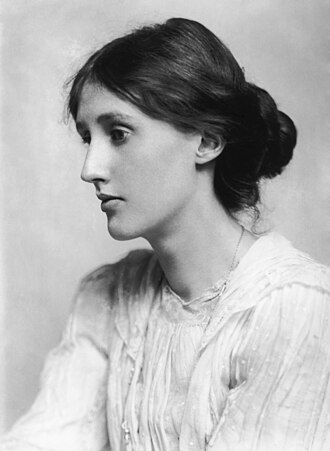
Virginia Woolf
Modernist Novelist — To the Lighthouse
About Virginia Woolf
Modernist Novelist (1882–1941)
Virginia Woolf was an English novelist, essayist, diarist, epistler, publisher, feminist, and writer of short stories, regarded as one of the foremost modernist literary figures of the twentieth century. Comment from Ursula Le Guin on The Guardian: > You can't write science fiction well if you haven't read it, though not all who try to write it know this. But nor can you write it well if you haven't read anything else. Genre is a rich dialect, in which you can say certain things in a particularly satisfying way, but if it gives up connection with the general literary language it becomes a jargon, meaningful only to an ingroup. Useful models may be found quite outside the genre. I learned a lot from reading the ever-subversive Virginia Woolf. > I was 17 when I read Orlando. It was half-revelation, half-confusion to me at that age, but one thing was clear: that she imagined a society vastly different from our own, an exotic world, and brought it dramatically alive. I'm thinking of the Elizabethan scenes, the winter when the Thames froze over. Reading, I was there, saw the bonfires blazing in the ice, felt the marvellous strangeness of that moment 500 years ago – the authentic thrill of being taken absolutely elsewhere. > How did she do it? By precise, specific descriptive details, not heaped up and not explained: a vivid, telling imagery, highly selected, encouraging the reader's imagination to fill out the picture and see it luminous, complete. > In Flush, Woolf gets inside a dog's mind, that is, a non-human brain, an alien mentality – very science-fictional if you look at it that way. Again what I learned was the power of accurate, vivid, highly selected detail. I imagine Woolf looking down at the dog asleep beside the ratty armchair she wrote in and thinking what are your dreams? and listening... sniffing the wind... after the rabbit, out on the hills, in the dog's timeless world. > Useful stuff, for those who like to see through eyes other than our own.
Share Card Studio
Books Like To the Lighthouse


Kindred Quotes
“All that is gold does not glitter, Not all those who wander are lost; The old that is strong does not wither, Deep roots are not reached by the frost. From the ashes a fire shall be woken, A light from the shadows shall spring; Renewed shall be blade that was broken, The crownless again shall be king.”
J.R.R. Tolkien
Author & Philologist
“I must not fear. Fear is the mind-killer. Fear is the little-death that brings total obliteration. I will face my fear. I will permit it to pass over me and through me. And when it has gone past I will turn the inner eye to see its path. Where the fear has gone there will be nothing. Only I will remain.”
Frank Herbert
Science Fiction Author
“Yesterday is history, tomorrow is a mystery, today is a gift of God, which is why we call it the present.”
Bill Keane
Writer & Voice