
← Back to QuotesQuotes / Virginia Woolf
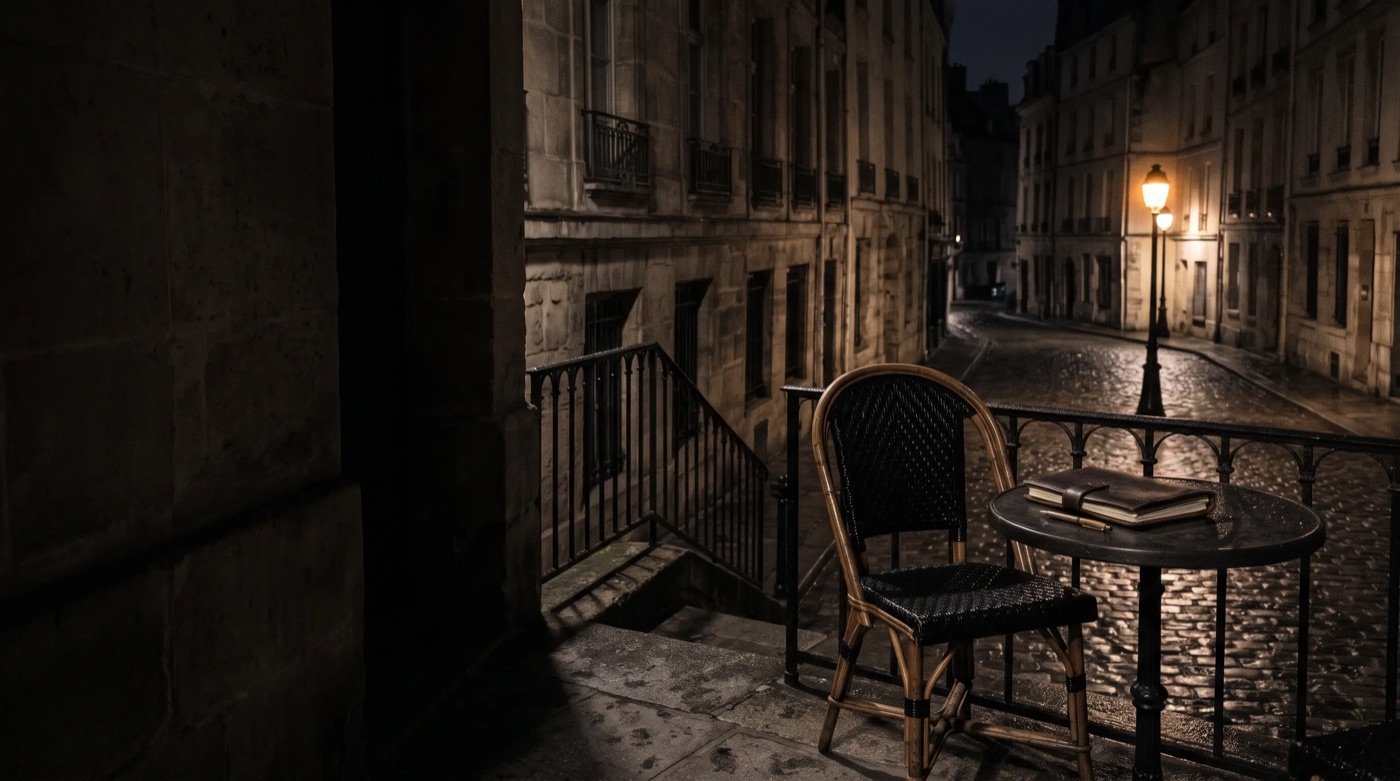
“There it was before her - life. Life: she thought but she did not finish her thought. She took a look at life, for she had a clear sense of it there, something real, something private, which she shared neither with her children nor with her husband. A sort of transaction went on between them, in which she was on one side, and life was on another, and she was always trying to get the better of it, as it was of her; and sometimes they parleyed (when she sat alone); there were, she remembered, great reconciliation scenes; but for the most part, oddly enough, she must admit that she felt this thing that she called life terrible, hostile, and quick to pounce on you if you gave it a chance.” — Virginia Woolf
“There it was before her - life. Life: she thought but she did not finish her thought. She took a look at life, for she had a clear sense of it there, something real, something private, which she shared neither with her children nor with her husband. A sort of transaction went on between them, in which she was on one side, and life was on another, and she was always trying to get the better of it, as it was of her; and sometimes they parleyed (when she sat alone); there were, she remembered, great reconciliation scenes; but for the most part, oddly enough, she must admit that she felt this thing that she called life terrible, hostile, and quick to pounce on you if you gave it a chance.”
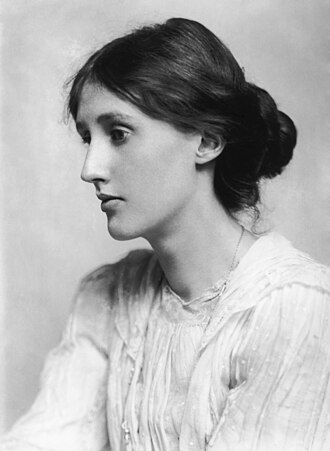
Virginia Woolf
Modernist Novelist — To the Lighthouse
About Virginia Woolf
Modernist Novelist (1882–1941)
Virginia Woolf was an English novelist, essayist, diarist, epistler, publisher, feminist, and writer of short stories, regarded as one of the foremost modernist literary figures of the twentieth century. Comment from Ursula Le Guin on The Guardian: > You can't write science fiction well if you haven't read it, though not all who try to write it know this. But nor can you write it well if you haven't read anything else. Genre is a rich dialect, in which you can say certain things in a particularly satisfying way, but if it gives up connection with the general literary language it becomes a jargon, meaningful only to an ingroup. Useful models may be found quite outside the genre. I learned a lot from reading the ever-subversive Virginia Woolf. > I was 17 when I read Orlando. It was half-revelation, half-confusion to me at that age, but one thing was clear: that she imagined a society vastly different from our own, an exotic world, and brought it dramatically alive. I'm thinking of the Elizabethan scenes, the winter when the Thames froze over. Reading, I was there, saw the bonfires blazing in the ice, felt the marvellous strangeness of that moment 500 years ago – the authentic thrill of being taken absolutely elsewhere. > How did she do it? By precise, specific descriptive details, not heaped up and not explained: a vivid, telling imagery, highly selected, encouraging the reader's imagination to fill out the picture and see it luminous, complete. > In Flush, Woolf gets inside a dog's mind, that is, a non-human brain, an alien mentality – very science-fictional if you look at it that way. Again what I learned was the power of accurate, vivid, highly selected detail. I imagine Woolf looking down at the dog asleep beside the ratty armchair she wrote in and thinking what are your dreams? and listening... sniffing the wind... after the rabbit, out on the hills, in the dog's timeless world. > Useful stuff, for those who like to see through eyes other than our own.
Share Card Studio
Books Like To the Lighthouse


Kindred Quotes
“You've gotta dance like there's nobody watching, Love like you'll never be hurt, Sing like there's nobody listening, And live like it's heaven on earth.”
William W. Purkey
Writer & Voice
“I'm not afraid of death; I just don't want to be there when it happens.”
Woody Allen
Writer & Voice
“A day without sunshine is like, you know, night.”
Steve Martin
Writer & Voice