← Back to QuotesQuotes / Albert Camus
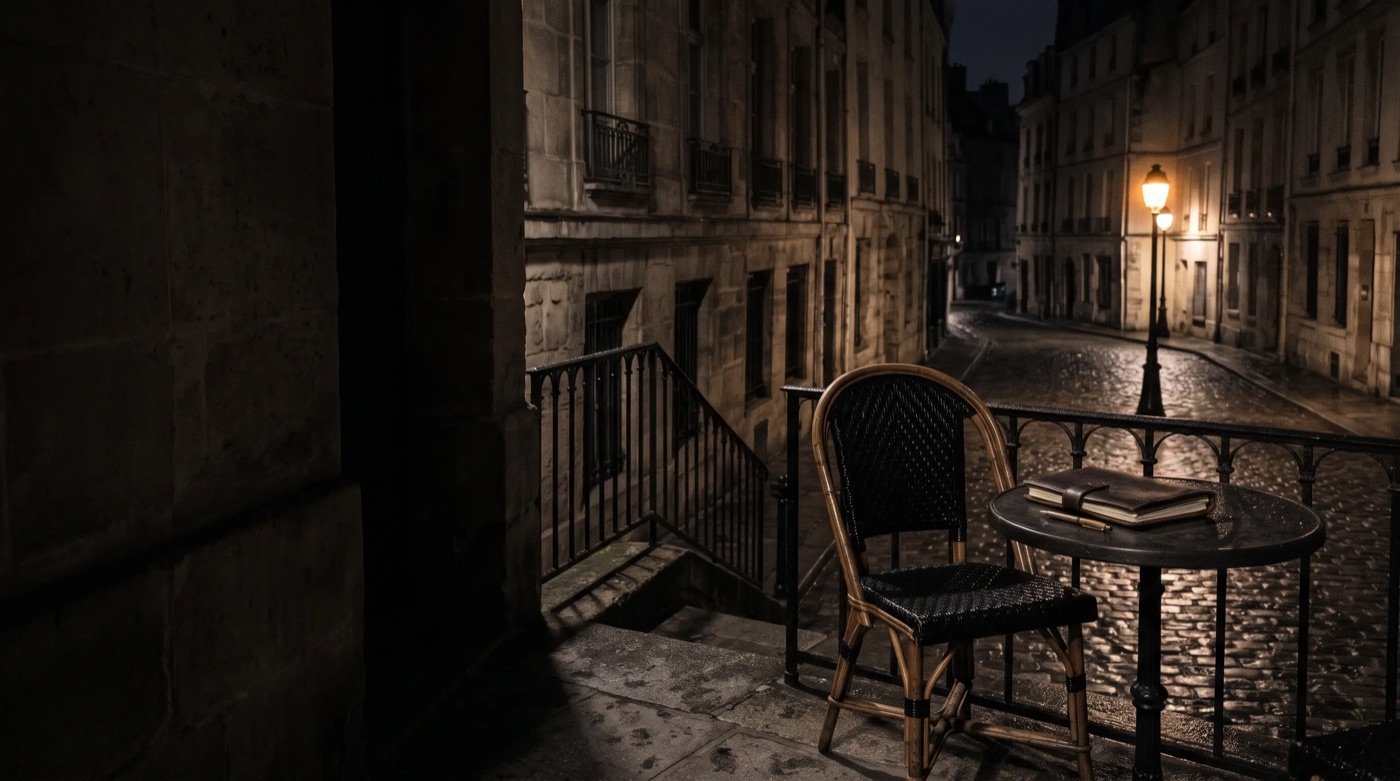
“Then, already, it had brought to his mind the silence brooding over beds in which he had let men die. There as here it was the same solemn pause, the lull that follows battle; it was the silence of defeat. But the silence now enveloping his dead friend, so dense, so much akin to the nocturnal silence of the streets and of the town set free at last, made Rieux cruelly aware that this defeat was final, the last disastrous battle that ends a war and makes peace itself an ill beyond all remedy. The doctor could not tell if Tarrou had found peace, now that all was over, but for himself he had a feeling that no peace was possible to him henceforth, any more than there can an armistice for a mother bereaved of a son or for a man who buries his friend.” — Albert Camus
“Then, already, it had brought to his mind the silence brooding over beds in which he had let men die. There as here it was the same solemn pause, the lull that follows battle; it was the silence of defeat. But the silence now enveloping his dead friend, so dense, so much akin to the nocturnal silence of the streets and of the town set free at last, made Rieux cruelly aware that this defeat was final, the last disastrous battle that ends a war and makes peace itself an ill beyond all remedy. The doctor could not tell if Tarrou had found peace, now that all was over, but for himself he had a feeling that no peace was possible to him henceforth, any more than there can an armistice for a mother bereaved of a son or for a man who buries his friend.”
Albert Camus
Philosopher & Laureate
About Albert Camus
Philosopher & Laureate (1913–1960)
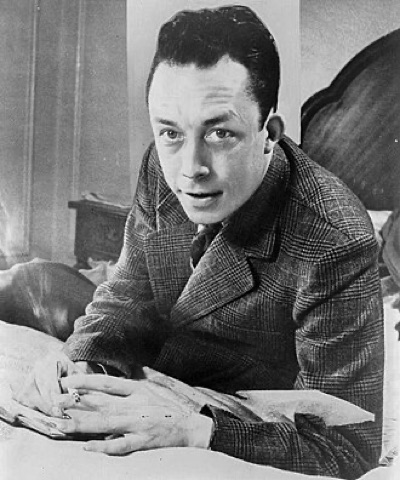
Albert Camus was a French Algerian author, philosopher, and journalist who was awarded the Nobel Prize for Literature in 1957. He was a key philosopher of the 20th-century and his most famous work is the novel L'Étranger (The Stranger). In 1949, Camus founded the Group for International Liaisons within the Revolutionary Union Movement, which was a group opposed to some tendencies of the surrealistic movement of André Breton. Camus was the second-youngest recipient of the Nobel Prize for Literature - after Rudyard Kipling - when he became the first African-born writer to receive the award. He is the shortest-lived of any literature laureate to date, having died in an automobile accident just over two years after receiving the award. He is often cited as a proponent of existentialism, the philosophy that he was associated with during his own lifetime, but Camus himself rejected this particular label. In an interview in 1945, Camus rejected any ideological associations: "No, I am not an existentialist. Sartre and I are always surprised to see our names linked…"
Share Card Studio
Books by Albert Camus

Kindred Quotes

“It is not a lack of love, but a lack of friendship that makes unhappy marriages.”
Friedrich Nietzsche
Philosopher

“Doubt thou the stars are fire; Doubt that the sun doth move; Doubt truth to be a liar; But never doubt I love.”
William Shakespeare
Playwright & Poet
“Man is the only creature who refuses to be what he is.”
Albert Camus
Philosopher & Laureate