← Back to QuotesQuotes / Marcus Aurelius
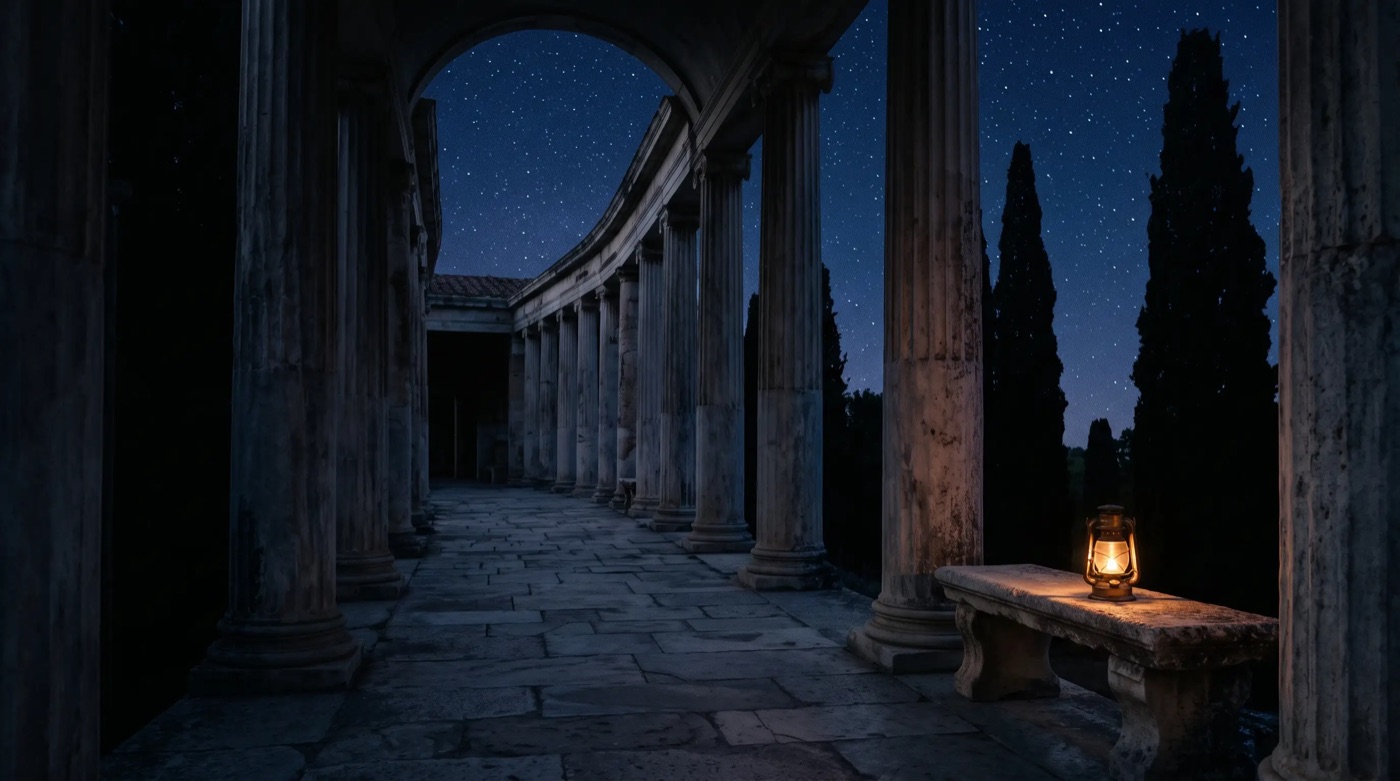
“If the gods have determined about me and about the things which must happen to me, they have determined well, for it is not easy even to imagine a deity without forethought; and as to doing me harm, why should they have any desire towards that? For what advantage would result to them from this or to the whole, which is the special object of their providence? But if they have not determined about me individually, they have certainly determined about the whole at least, and the things which happen by way of sequence in this general arrangement I ought to accept with pleasure and to be content with them.” — Marcus Aurelius
“If the gods have determined about me and about the things which must happen to me, they have determined well, for it is not easy even to imagine a deity without forethought; and as to doing me harm, why should they have any desire towards that? For what advantage would result to them from this or to the whole, which is the special object of their providence? But if they have not determined about me individually, they have certainly determined about the whole at least, and the things which happen by way of sequence in this general arrangement I ought to accept with pleasure and to be content with them.”
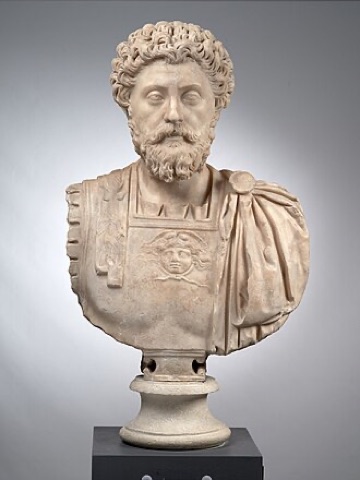
Marcus Aurelius
Roman Stoic Emperor — Meditations
About Marcus Aurelius
Roman Stoic Emperor (121–180 AD)
Marcus Aurelius Antoninus was Roman Emperor from 161 to 180. He ruled with Lucius Verus as co-emperor from 161 until Verus' death in 169. He was the last of the "Five Good Emperors", and is also considered one of the most important Stoic philosophers. During his reign, the empire defeated a revitalized Parthian Empire; Aurelius' general Avidius Cassius sacked the capital Ctesiphon in 164. Aurelius fought the Marcomanni, Quadi, and Sarmatians with success during the Marcomannic Wars, but the threat of the Germanic Tribes began to represent a troubling reality for the empire. A revolt in the east led by Avidius Cassius failed to gain momentum and was suppressed immediately. Marcus Aurelius' work Meditations, written in Greek while on campaign between 170 and 180, is still revered as a literary monument to a government of service and duty. It serves as an example of how Aurelius approached the Platonic ideal of a philosopher-king and how he symbolized much of what was best about Roman civilization.


